
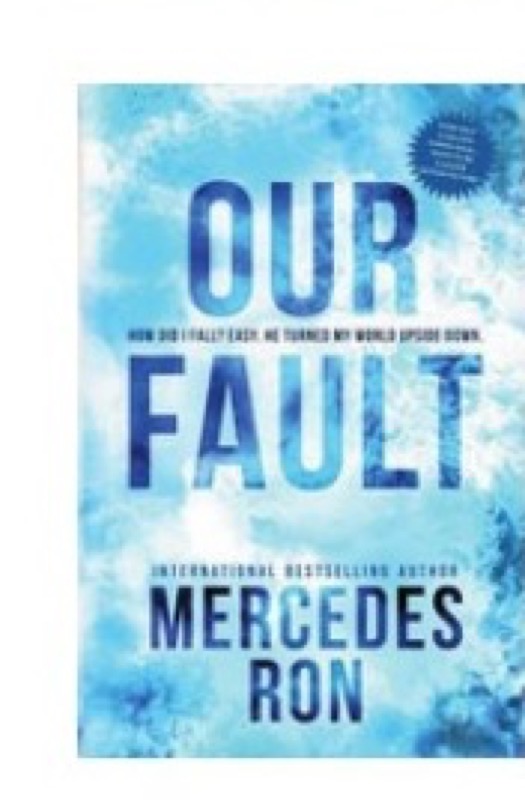
Our Fault
How did I fall? Easy. He turned my world upside down.
Hook & thesis
In Our Fault, Mercedes Ron intricately weaves a tale of forbidden love that pulsates with tension, navigating the murky waters of desire and familial ties. Verdict: This novel is a provocative exploration of the darker facets of affection, leaving readers to confront their own boundaries and moral dilemmas.
The contextual pivot
Positioned within the forbidden love genre, Our Fault deftly tackles the complexities surrounding step-sibling relationships, an often underexplored territory that invites both intrigue and discomfort. Ron’s work echoes the emotional intensity found in titles like After by Anna Todd and The Hating Game by Sally Thorne, where love springs from unexpected and socially contentious origins. Though it flirts with niche tropes, Ron successfully bridges them to a broader audience by grounding the experience of forbidden desire in universally relatable themes of betrayal, longing, and the search for autonomy.
Deep-dive critique
The structure of Our Fault employs a dual perspective that effectively heightens the emotional stakes. The alternating points of view allow readers to delve deep into the psyche of both protagonists, creating a layered understanding of their internal conflicts. This technique serves the thesis remarkably well—emphasizing how love can simultaneously ignite passion and breed chaos. However, the pacing occasionally falters, particularly in the midsection, where the tension can feel drawn out, risking reader engagement.
Ron’s prose is striking, balancing poetic imagery with sharp dialogue that captures the electric chemistry between characters. For instance, moments of vulnerability are juxtaposed with biting banter, illustrating the complex dynamics at play. Yet, while character development is largely successful, some secondary characters lack depth, serving more as plot devices than fully realized individuals. This diminishes the potential impact of their relationships with the protagonists, leaving the reader wanting more depth in the surrounding world.
The culmination of the narrative is both satisfying and troubling; while the ending can be perceived as earned, it also raises questions about the ethical implications of the characters’ choices. The resolution feels almost too tidy against the backdrop of the tumultuous feelings explored throughout the book, suggesting a slight dissonance between the themes of chaos and resolution.
Discussion launchpad
Our Fault presents a rich tapestry of themes and conflicts ripe for discussion, especially around the moral implications of its central relationship. The exploration of desire versus societal expectations invites readers to reflect on their own beliefs about love and family.
Questions for the room:
- How do the characters’ backgrounds influence their perceptions of love, and in what ways might this resonate or clash with societal norms?
- Does the resolution of the story negate the complexity of its themes—does it feel true to the characters’ experiences?
- In what ways does the author’s portrayal of step-sibling dynamics contribute to or challenge typical genre tropes?
- Can the narrative be defended morally, or does it perpetuate harmful stereotypes?
- How does the dual perspective enhance or detract from the overall experience of the story?
#TheOrchidRoom #forbiddenlove #darkromance #Culpables #literaryanalysis