
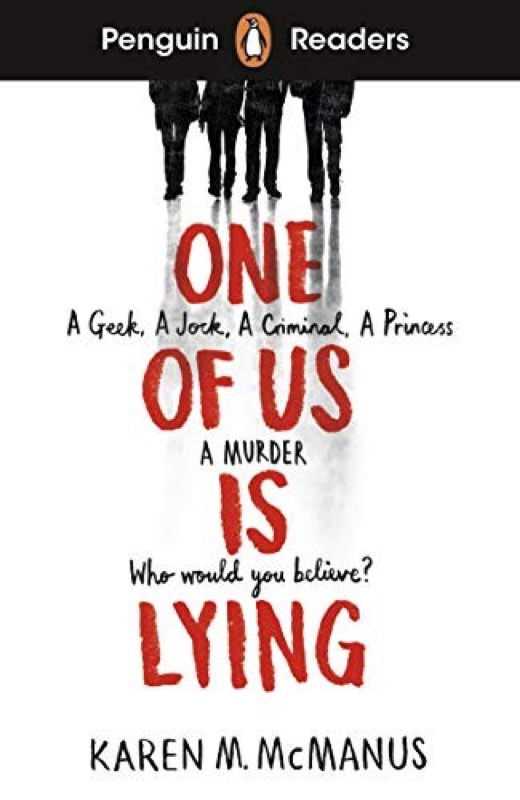
One of Us Is Lying (One of Us is Lying, #1)
One of Us is Lying, #1
Hook & thesis
Karen M. McManus’s One of Us Is Lying endeavors to unveil the murky depths of teenage betrayal and the corrosive nature of secrets. Verdict: This dark thriller is a compelling exploration of guilt and innocence, but it often succumbs to formulaic plotting that dulls its sharper edges.
The contextual pivot
Firmly rooted in the young adult dark-thriller genre, this novel exists alongside works like We Were Liars by E. Lockhart and A Good Girl’s Guide to Murder by Holly Jackson. McManus crafts a narrative that balances the expectations of a mystery with the emotional labyrinth of adolescent trauma, addressing themes of bullying and mental health. The invisible audience here is the broad demographic of young readers craving suspense, yet the book’s bridge between niche tropes and mainstream appeal occasionally feels too safe, opting for palatable conflict over raw intensity.
Deep-dive critique
The structure of One of Us Is Lying unfolds through multiple perspectives, a choice that provides varied insights into the characters’ psyches but also muddles the narrative’s pacing. The alternating chapters often create a disjointed flow, where momentum falters as readers navigate the chaotic emotional terrain of each character. While McManus excels in crafting relatable dialogue and layered characters, some lack the necessary depth to feel fully realized. The central conflict—a murder occurring during a high school detention—serves as an effective vehicle for tension, yet the predictable twists feel more like tropes than genuine surprises. The thematic exploration of mental health is commendable, but it risks being overshadowed by the thriller mechanics, leading to an ending that feels somewhat unearned given the heavy emotional stakes established earlier.
Discussion launchpad
This novel presents several polarizing elements worthy of debate in the group. Does the reliance on multiple viewpoints enhance or detract from the tension? How effectively does the book tackle sensitive issues like mental health without falling into cliché? Are these characters mere archetypes or do they transcend their roles?
Questions for the room:
- Does the thriller aspect overshadow the deeper themes of the book?
- How do the character perspectives affect the reader’s investment in the mystery?
- Can the ending be considered satisfying, or does it rely too heavily on genre expectations?
- In what ways does McManus succeed or fail in addressing the themes of bullying and mental health?
- What does this book reveal about the high school experience today, and how does it compare to earlier YA literature?
#LiteraryAnalysis #GothicEdge #TheOrchidRoom #darkthriller #youngadult