
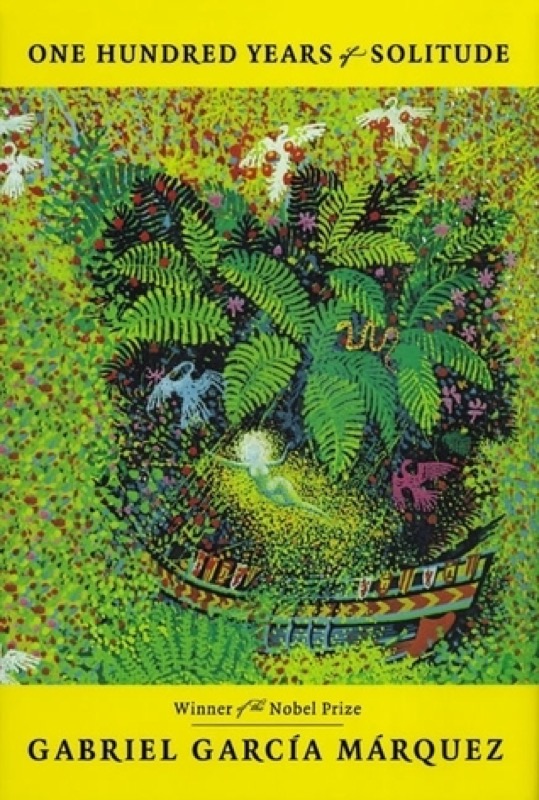
One Hundred Years of Solitude
A multi-generational tale of the Buendía family in the fictional town of Macondo.
Hook & thesis
Gabriel García Márquez’s One Hundred Years of Solitude unfolds as a mesmerizing tapestry of the Buendía family, exploring the cyclical nature of history and human desire amid the magical and the mundane. Verdict: This is not merely a family saga; it is a haunting meditation on the inevitability of solitude, where the very act of love becomes a path to alienation.
The contextual pivot
Nestled within the gothic-horror-romance genre, One Hundred Years of Solitude transcends its roots, merging elements of magical realism with rich, historical context. Márquez crafts a narrative landscape reminiscent of authors like Toni Morrison and Virginia Woolf, yet distinctively Latin American in its exploration of time and memory. The audience straddles niche literary aficionados and general readers alike, as they are invited into the lush, often tragic world of Macondo, a setting that pulses with life and death, joy and despair, capturing the intricacies of familial bonds and societal decay.
Deep-dive critique
Márquez employs a non-linear timeline that serves to emphasize the inevitability of fate, creating a sense of cyclical repetition that mirrors the characters’ struggles with their own desires and regrets. The prose is lavish, rich with sensory detail, immersing readers in a world where the extraordinary emerges from the ordinary. For instance, the fluidity of time becomes a character itself, allowing the reader to experience the weight of the Buendías’ legacy — a lineage marked by both brilliance and tragedy.
Characterization thrives in this narrative; each member of the Buendía family embodies distinct desires and fears that resonate universally. The dialogue often carries an undercurrent of tension, revealing the unspoken between characters — a reflection of the isolation that permeates their lives. However, this intricate weaving can occasionally lead to moments where clarity falters, potentially leaving readers grappling with the abundance of threads.
The ending, echoing the book’s central themes, feels both inevitable and poignant, encapsulating the cyclical nature of solitude that Márquez has so skillfully depicted throughout. The final revelations not only tie the narrative together but also invite the reader to reflect on their own experiences of love and loss, proving the emotional stakes are profoundly earned.
Discussion launchpad
The novel’s exploration of solitude and desire presents stark contrasts that could ignite polarizing conversations. How do we reconcile the beauty of love against the backdrop of inevitable isolation?
Questions for the room:
- In what ways does Márquez’s portrayal of magical realism enhance or detract from the core themes of the story?
- How do the cyclical patterns in the Buendía family’s history reflect on our own familial legacies?
- Can the sense of solitude be seen as a character in itself, and how does it shape the narrative?
- What are the implications of the novel’s non-linear structure on reader engagement?
- How does Márquez’s use of language and imagery impact our understanding of the characters’ desires?
#TheOrchidRoom #gothic #horrorromance #magicalrealism #familySaga