
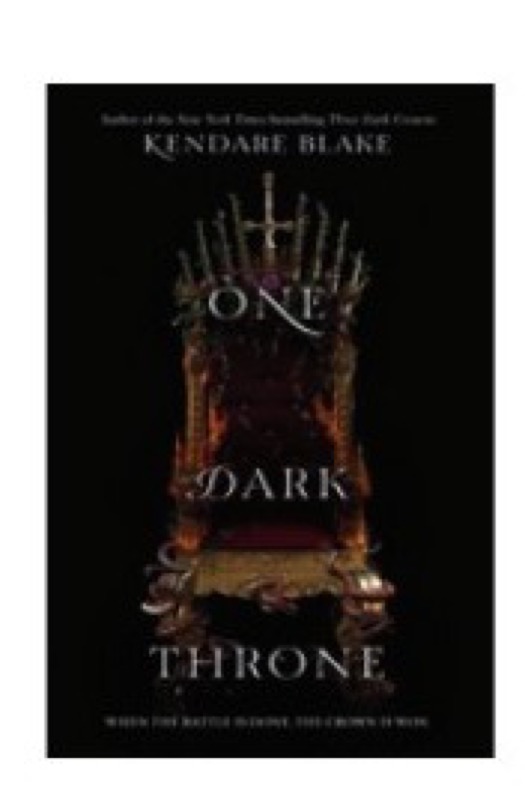
One Dark Throne
Three Dark Crowns — Book Two
Hook & thesis
Kendare Blake’s One Dark Throne, the second installment in the Three Dark Crowns series, is a fierce exploration of power, identity, and the visceral bonds that can either bind or shatter familial ties. Verdict: This novel seethes with tension, but it is the relentless pursuit of power that ultimately reveals the darkness lurking within even the closest of kin.
The contextual pivot
Nestled firmly within the fantasy-romance genre, One Dark Throne straddles the line between dark fantasy and romantic intrigue, reminiscent of works by authors such as Sarah J. Maas and Holly Black. While Blake ventures into the niche territory of sibling rivalry and royal machinations, she does so with a unique flair that invites both genre aficionados and general readers alike. The invisible audience comprises those who relish a gothic atmosphere steeped in rivalry and bloodlines, seamlessly bridging the gap between traditional fantasy tropes and contemporary romantic elements.
Deep-dive critique
The structure of One Dark Throne is marked by alternating perspectives among the three queens, each vying for the throne, which serves to heighten the tension and deepen the reader’s investment in their individual journeys. Blake’s pacing is deft; the build-up to climactic confrontations is laced with meticulous detail, creating an atmosphere thick with anticipation. However, this multifaceted perspective can sometimes feel disjointed, pulling the reader slightly out of the immersive experience when abrupt shifts occur without adequate transition.
Characterization shines as Blake crafts distinct voices for each sister, exploring their desires and motivations with precision. The dialogue crackles with wit and underlying hostility, particularly in scenes that showcase their rivalry, adding layers to their relationships. Yet, despite the compelling character arcs, the thematic exploration of familial loyalty versus ambition occasionally succumbs to cliché, as the plot relies on predictable tropes of betrayal and dark magic that may not satisfy all readers seeking originality.
Moreover, the world-building showcases a rich tapestry of dark magic and foreboding landscapes, but at times, the lore feels underdeveloped, leaving certain aspects of the history and rules of magic vague. This ambiguity can frustrate readers who crave a more robust framework. The ending, while dramatic, feels somewhat rushed, leaving certain narrative threads unresolved, which might alienate those who prefer a neatly tied-up conclusion.
Discussion launchpad
One Dark Throne ignites fervent debates due to its exploration of ambition and the darker facets of familial love, challenging the notion of loyalty in the face of survival. The balance Blake strikes between romance and rivalry raises questions about the limitations of both.
Questions for the room:
- Does the portrayal of sibling rivalry enhance or detract from the emotional stakes of the narrative?
- How effectively does Blake balance the elements of dark magic and romance?
- In what ways do the characters’ pursuits of power reflect real-world familial dynamics?
- Does the ending leave you yearning for resolution, or does it invite deeper reflection on the nature of ambition?
- How does Blake’s use of multiple perspectives impact your engagement with each character’s journey?
#TheOrchidRoom #fantasyromance #darkromance #queens #literaryanalysis