
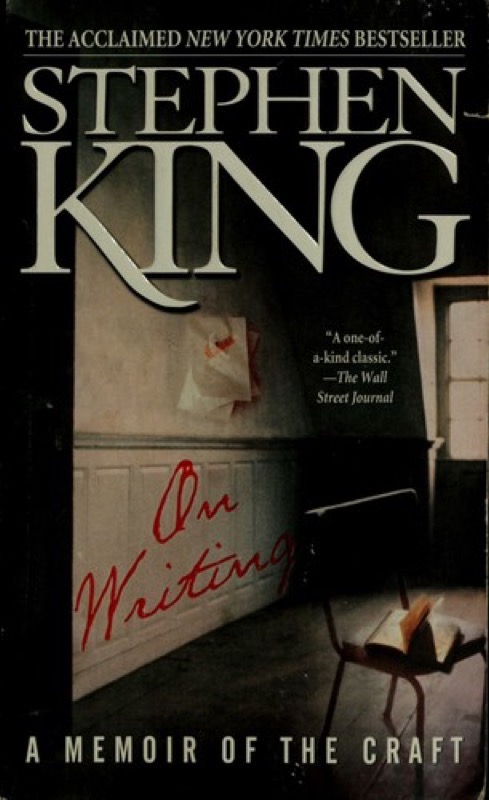
On Writing: A Memoir of the Craft
Hook & thesis
In On Writing: A Memoir of the Craft, Stephen King deftly intertwines autobiography with a masterclass on the art of writing, revealing the intricate dance between personal experience and professional insight. Verdict: This work serves as both a heartfelt memoir and a practical guide, making it essential reading for aspiring writers and fans alike.
The contextual pivot
Positioned at the intersection of memoir and instructional literature, King’s book straddles multiple genres, appealing to writers and readers who appreciate the craft behind storytelling. Unlike traditional writing guides that may focus solely on technique, King’s approach is rooted in personal history, making his lessons feel both relatable and profound. This book stands alongside other notable works in the genre, such as Anne Lamott’s Bird by Bird, but offers a unique blend of autobiographical reflection and practical advice that broadens its appeal beyond just the writing community.
Deep-dive critique
King’s use of a non-linear structure mirrors the chaotic nature of both life and the writing process itself. By weaving personal anecdotes through his instructional insights, he creates a layered narrative that engages readers on multiple levels. The pacing fluctuates effectively, with poignant moments of personal tragedy juxtaposed against practical tips, providing a rhythmic ebb and flow that keeps the reader invested.
The prose is direct yet evocative, showcasing King’s signature style while remaining accessible to those unfamiliar with his work. His character sketches—from family members to fellow writers—are vivid and relatable, illustrating the human experience behind the craft. For instance, his depiction of his struggles with addiction and his relationship with his wife, Tabitha, adds a rich emotional texture to his lessons on perseverance and dedication.
However, the book is not without its mechanical flaws. At times, King’s conversational tone can veer into overly casual territory, which may alienate readers seeking a more formal guide. Additionally, while his lessons on dialogue and character development are insightful, some sections feel less structured and could benefit from tighter editing to maintain focus on the central thesis of the writing journey.
The ending, a reflective summation of King’s own evolution as a writer, feels earned, encapsulating the trials and triumphs he has experienced throughout his career.
Discussion launchpad
On Writing invites rich discussion around the nature of creativity and the autobiographical impulse in writing. King’s blending of personal narrative with craft raises important questions about the authenticity of voice and the role of experience in shaping a writer’s perspective.
Questions for the room:
- How does King’s personal history influence your perception of his writing advice?
- Can writing be taught, or is it an intrinsic skill?
- What are the implications of King’s casual style for more formal writing guides?
- How do you perceive the balance between telling one’s own story and providing universal writing wisdom?
- In what ways does On Writing differ from other writing guides you’ve encountered?
#LiteraryAnalysis #darkthriller #memoir #writing #craft #StephenKing #theorchidroom