
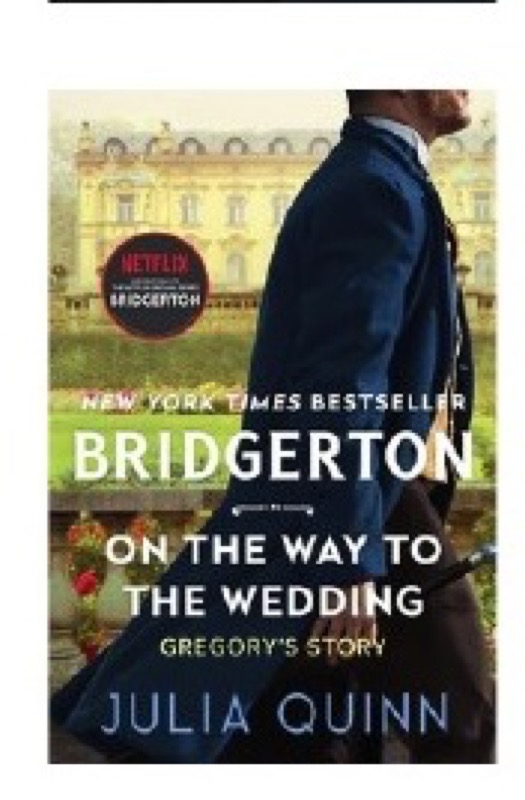
On the Way to the Wedding
Bridgerton — Gregory's Story
Hook & thesis
Julia Quinn’s On the Way to the Wedding deftly navigates the intersection of desire and duty within the gilded confines of Regency-era romance. Verdict: This novel masterfully unravels the complex tapestry of human longing, revealing that even the most romantic of pursuits are often steeped in societal obligation.
The contextual pivot
Within the expansive genre of fantasy-romance, Quinn carves out a niche that resonates with readers drawn to both historical accuracy and the allure of the fantastical. This narrative fits snugly within the Bridgerton universe, serving as a continuation of the beloved series, while standing on its own as an exploration of familial expectations and true love. By bridging the whimsical elements of fairy-tale endings with the stark realities of societal pressures, Quinn invites a diverse readership—those who revel in romantic escapism as well as those grounded in the complexities of human relationships.
Deep-dive critique
Crafted with Quinn’s signature wit and charm, the novel thrives on its playful dialogue and multifaceted characters. The pacing is deliberate yet engaging, reflecting the protagonist Gregory’s internal struggle between familial duty and personal desire. Quinn employs a third-person limited perspective, allowing readers intimate access to Gregory’s thoughts while maintaining an air of mystery surrounding other characters. This choice enhances the thematic tension as Gregory grapples with his feelings, creating a palpable sense of yearning.
The structural arc of the story, moving from light-hearted banter to moments of profound emotional clarity, showcases Quinn’s ability to intertwine humor with depth. Character development is robust; Gregory evolves from a somewhat frivolous gentleman into a figure grappling with the gravity of his choices. Yet, despite this growth, the novel does stumble in moments of predictability, particularly in its resolution, which may leave some readers craving a more nuanced conclusion. The ending, while satisfying, relies heavily on established genre conventions, perhaps failing to subvert expectations in a way that would resonate more deeply.
Discussion launchpad
The novel’s exploration of duty versus desire presents fertile ground for discussion, particularly in how it reflects or challenges societal norms.
Questions for the room:
- How does Quinn balance humor and emotional depth, and does this serve or hinder the overall narrative?
- In what ways do the societal expectations portrayed in the novel mirror contemporary issues of love and marriage?
- Does the predictability of the ending detract from the emotional investment in the characters?
- How effectively does the fantasy element enhance or distract from the romantic themes?
- What role does family play in shaping the characters’ decisions, and how does this impact the notion of love?
#TheOrchidRoom #fantasyromance #romantasy #bridgerton #literaryanalysis