
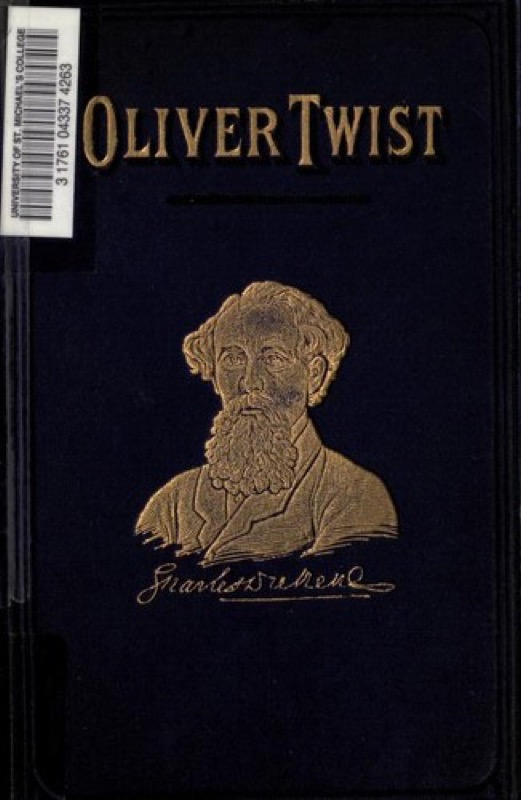
Oliver Twist
Hook & thesis
In Charles Dickens’ Oliver Twist, the author explores the grim realities of orphanhood in Victorian England, revealing the stark contrasts between innocence and moral corruption. Verdict: Dickens’s work is a haunting mirror reflecting societal failures, crafted with a relentless precision that underscores the human spirit’s resilience amidst despair.
The contextual pivot
Oliver Twist occupies a critical space in the gothic horror and social commentary genres, straddling the line between melodrama and realism. Dickens, a master of character-driven narratives, utilizes the orphaned protagonist to illuminate the dark underbelly of industrialized society, paralleling his own oeuvre that often critiques social injustices. The invisible audience includes those drawn to the struggles of the downtrodden, bridging niche tropes of gothic elements and moral fables to resonate with broader readers seeking both entertainment and enlightenment.
Deep-dive critique
The structural choice of a third-person omniscient narrator allows Dickens to oscillate between the internal struggles of Oliver and the external societal issues affecting him. This perspective enables a rich tapestry of character development, particularly seen in figures like Fagin and Nancy, whose complex motivations enhance the narrative’s moral ambiguity. The pacing is deliberate; moments of brutality are juxtaposed against brief interludes of hope, creating a rhythmic tension that mirrors Oliver’s own journey from darkness into light.
However, the dialogue can occasionally veer into the didactic, where the moralistic tone detracts from character authenticity. For example, Fagin’s scheming is portrayed through colorful vernacular, which sharply contrasts with Oliver’s pure speech, yet at times the stark delineation between good and evil feels over-simplified, undermining the potential for nuanced exploration of morality. The ending, while cathartic, risks sentimentality, leaving some threads unresolved, such as the fates of characters like Bill Sikes, which may frustrate readers seeking closure.
Discussion launchpad
- Dickens’s portrayal of poverty raises questions about societal responsibility — does it evoke sympathy or guilt in the reader?
- The use of gothic elements juxtaposed with social realism — does it enhance or distract from the narrative’s impact?
- Moral ambiguity in characters like Fagin and Nancy — do they evoke empathy or condemnation?
Questions for the room:
- How do you interpret the moral lessons conveyed through the characters’ arcs?
- In what ways does Dickens’ style serve or hinder the emotional weight of the story?
- What role does the setting play in shaping the characters’ fates?
- Does the ending resonate with hope or resignation, and why?
- How does Oliver Twist compare to contemporary works addressing similar themes?
#TheOrchidRoom #gothic #horrorromance #classic #Victorian