
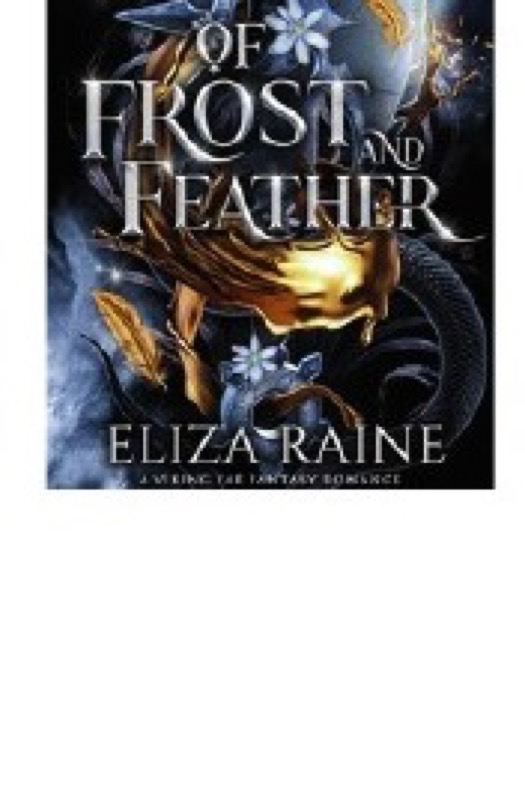
Of Frost and Feather
Hook & thesis
In Eliza Raine’s Of Frost and Feather, the author deftly intertwines fantasy and romance to explore the dual nature of love—its ability to heal and its propensity to destroy. Verdict: This novel captivates with its lush prose and bold characterizations, ultimately revealing that desire, when left unchecked, can spiral into obsession.
The contextual pivot
Of Frost and Feather sits within the burgeoning landscape of fantasy-romance, where the boundaries of magic and emotion blur, reminiscent of works by Sarah J. Maas and Jennifer L. Armentrout. Raine’s voice is distinct, threading gothic elements with an undercurrent of emotional intensity that invites readers to indulge in the darker aspects of love. The book bridges niche tropes of fantastical realms and passionate entanglements, appealing to both die-hard fans of romantic fantasy and those newly flirting with these themes.
Deep-dive critique
Raine’s narrative structure employs a dual perspective, alternating between the protagonists, which heightens the tension and allows for a deeper exploration of their fears and desires. This technique effectively mirrors the emotional stakes at play, particularly as the characters grapple with their feelings amidst a backdrop of magical intrigue. The pacing, however, occasionally falters; certain sections linger too long in introspection, which can dilute the urgency of the plot.
The prose is undeniably lush, with vivid imagery that brings the world to life. For instance, Raine’s descriptions of the frosty landscapes serve as a metaphor for the characters’ emotional landscapes—cold and beautiful, yet fraught with danger. However, dialogue at times feels stilted; characters occasionally voice thoughts that could be better conveyed through action or subtlety, undermining the otherwise immersive experience.
The thematic exploration of obsession versus affection is particularly compelling. Raine navigates this terrain with skill, presenting love as a double-edged sword. The ending, while satisfying, raises questions about the characters’ growth—are they truly redeemed, or merely escaping their pasts? This ambiguity lingers, making the conclusion feel both earned and elusive.
Discussion launchpad
Raine’s work invites a myriad of interpretations, particularly regarding the nature of desire and emotional turmoil. The tension between love and obsession is likely to provoke differing opinions among readers.
Questions for the room:
- How do Raine’s characterizations challenge or reinforce stereotypes within the fantasy-romance genre?
- In what ways does the dual perspective enhance or detract from the narrative?
- What are the implications of the ending—does it signify growth or a cyclical return to old patterns?
- How effectively does the author balance the darker elements of desire with the romantic undertones?
- What lingering questions did the book leave you with, particularly regarding the nature of love depicted?
#TheOrchidRoom #fantasyromance #darkromance #of #frost