
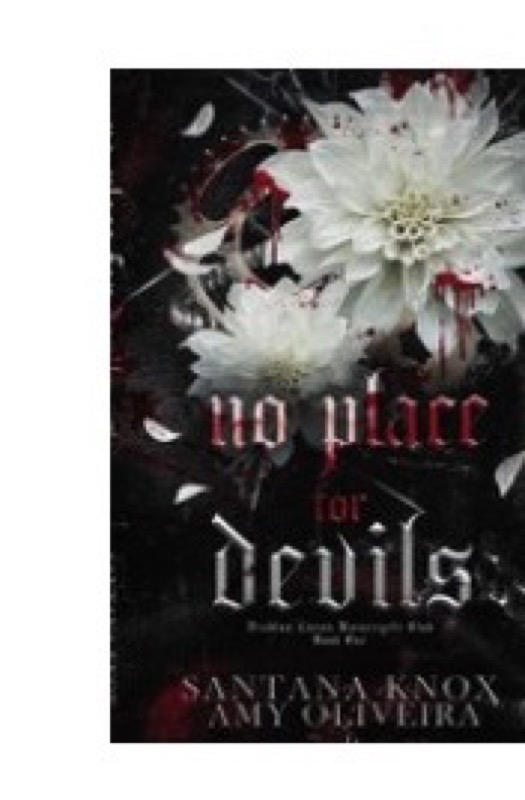
no place for devils
Fallen Gods Motorcycle Club — Book One
Hook & thesis
In No Place for Devils, Knox and Oliveira dive into the shadows of the motorcycle club subculture, exploring themes of loyalty, power, and redemption through the lens of dark romance. Verdict: This book lays bare the raw edges of desire and desperation, crafting an intoxicating tale that seduces even as it repels.
The contextual pivot
Situated within the motorcycle club genre, this novel carves out its niche by interweaving gothic elements and a sense of mythical tragedy akin to The Lost Boys meets Sons of Anarchy. The authors, both adept in portraying morally complex characters, attract readers who revel in darker narratives while still appealing to a broader audience through their treatment of universal themes like betrayal and yearning. The invisible audience here seeks not just adrenaline but a deeper exploration of what it means to be a ‘fallen god’ among men and women bound by fate and blood.
Deep-dive critique
Crafted with a sharp, visceral prose style, No Place for Devils excels in its ability to evoke a palpable atmosphere — the tension between the seductive allure of the motorcycle club life and the inherent violence it breeds is masterfully depicted. The dual perspective structure, alternating between the protagonists, serves to heighten the stakes, allowing readers to feel both the fervor and the trepidation as their lives intertwine. However, this duality can also lead to moments of pacing inconsistency; a few sections linger too long in reflective prose rather than action, potentially losing momentum.
Character development is a highlight; the protagonists are imbued with a tortured depth, making their choices both relatable and tragic. Their dialogue crackles with intensity, particularly in moments of conflict, revealing their inner turmoil and desires without veering into melodrama. The world-building, rich with dark motifs and visceral imagery, immerses the reader in a realm where love and violence coexist — a hallmark of the genre. Yet, some elements, such as secondary character arcs, feel underdeveloped, which could have added further complexity to the narrative. The ending, while climactic, leaves a lingering ambiguity that might not resonate with all readers but does challenge them to confront the unresolved threads of loyalty and sacrifice.
Discussion launchpad
This novel presents several polarizing elements worthy of debate. On one hand, it celebrates the destructive beauty of love intertwined with violence; on the other, it risks glorifying toxic relationships and cycles of vengeance.
Questions for the room:
- Does the portrayal of violence in motorcycle club settings enhance or detract from the romantic elements?
- How do the authors balance the gothic undertones with the realities of organized crime?
- Are the protagonists’ choices justified in the context of their backgrounds, or do they simply perpetuate harmful stereotypes?
- In what ways does the concept of ‘fallen gods’ apply to modern relationships, both in fiction and reality?
- How does the dual perspective enrich or complicate our understanding of desire and conflict in the narrative?
#TheOrchidRoom #mcromance #darkromance #fallen gods #literaryanalysis