
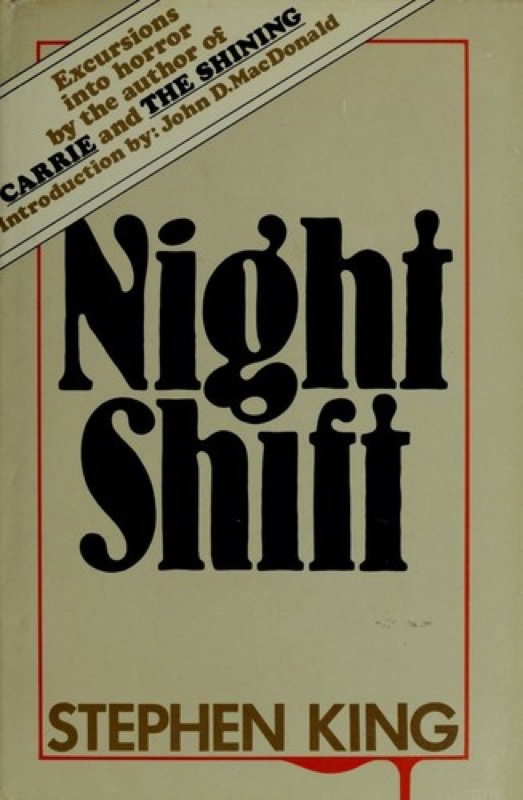
Night Shift
A collection of chilling tales that explore the dark corners of the human psyche.
Hook & thesis
Stephen King’s Night Shift serves as a masterclass in unsettling the psyche while deftly intertwining the supernatural with visceral human experience. Verdict: This collection is not just horror; it’s a relentless exploration of our darker selves, revealing that the most terrifying monsters often dwell within us.
The contextual pivot
Positioned firmly within the gothic-horror-romance genre, Night Shift is a quintessential King work that reinforces his reputation as the chronicler of the macabre. Unlike his more extensive novels, this collection of short stories encapsulates his ability to conjure dread in a few pages, engaging both die-hard fans and new readers alike. The invisible audience here consists of those who crave psychological depth alongside their thrills; King adeptly bridges niche horror tropes with universal themes of fear, loss, and the fragility of sanity, making it accessible yet profoundly unsettling.
Deep-dive critique
The structural craftsmanship in Night Shift is both strategic and provocative. King employs varied points of view, allowing readers to inhabit the minds of both the hunted and the hunters, culminating in a claustrophobic tension that is palpable. The pacing alternates between frenetic and languorous, creating an unsettling rhythm that mirrors the unpredictability of human behavior in crisis. Stories like “Graveyard Shift” exemplify this, where the claustrophobia of the setting amplifies the horror, while the character development—though brief—captures the essence of despair and desperation.
Thematically, King explores the intersections of humanity and monstrosity, revealing how easily the two can blur. The recurrent motifs of death and violence are not gratuitous; they serve as conduits for deeper reflections on mortality and the instinct to survive. Craft-wise, King’s prose oscillates between stark simplicity and rich imagery, which enhances the eerie atmosphere. However, certain stories may stumble under the weight of an overly familiar trope, occasionally sacrificing originality for shock value, yet they remain engaging due to King’s deft hand with dialogue and character voice. The endings, while often ambiguous, are earned; they linger with a haunting resonance that invites introspection long after the last page is turned. It is this unsettling quality that solidifies Night Shift as not just a collection of horror tales, but as an exploration into the dark recesses of our own hearts.
Discussion launchpad
Night Shift is rife with polarities that can ignite fervent debate. King’s ability to evoke empathy for flawed characters juxtaposed with their monstrous actions invites questions about morality and humanity’s innate darkness.
Questions for the room:
- How does King’s use of first-person versus third-person perspectives affect your connection with the characters?
- In what ways does Night Shift challenge or reinforce your understanding of fear?
- Can horror stories serve as a form of catharsis, or do they merely heighten anxiety?
- Do you find the ambiguity in King’s endings satisfying or frustrating?
- Which story resonated with you most, and why do you think that is?
#TheOrchidRoom #gothic #horrorromance #shortstories #psychological