
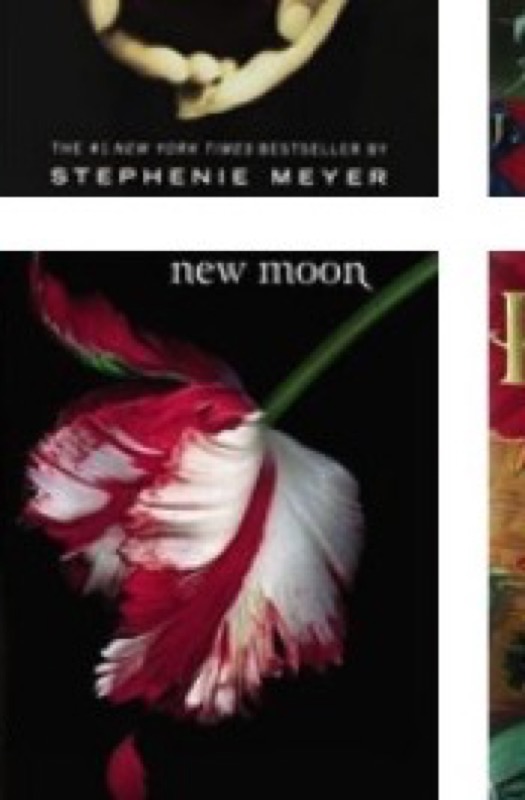
New Moon
Hook & thesis
Stephenie Meyer’s New Moon delves into the visceral depths of desire and loss, capturing the haunting essence of longing through the lens of supernatural romance. Verdict: This exploration of love intertwined with the supernatural is both a celebration and a critique of the ephemeral nature of desire.
The contextual pivot
As the second installment in Meyer’s Twilight saga, New Moon occupies a unique place within the vampire-paranormal genre, often seen as pivotal for its exploration of emotional stakes over mere supernatural antics. It straddles the line between niche and mainstream, appealing to a broad audience while drawing on the angst-laden tropes of young adult fiction. Meyer’s engagement with themes of heartbreak and identity evolution resonates with readers familiar with gothic romance traditions, echoing works like Anne Rice’s The Vampire Chronicles yet distinctly carving its own identity through a more youthful lens.
Deep-dive critique
Meyer’s structure in New Moon is a study in pacing that mirrors the protagonist Bella’s emotional turmoil—deliberately slow and often suffocating, which serves to immerse the reader in her despair. The choice of first-person narration is particularly effective, allowing a raw intimacy with Bella’s internal conflicts and amplifying the tension that arises from her separation from Edward. This tight POV not only cultivates a deep sense of isolation but also highlights her vulnerability in a world that seems increasingly dark without her beloved.
The prose, while often criticized for its simplicity, serves a purpose; it reflects Bella’s initial state of mind, caught in the throes of heartbreak. Meyer’s use of sensory detail—particularly during moments of tension and yearning—evokes a palpable atmosphere that is both seductive and melancholic. The dialogue, often laden with subtext, captures the nuances of relationships, offering insight into the characters’ psyches and their struggles with identity in the face of overwhelming desire.
However, the pacing can become a hindrance, with moments of drawn-out introspection occasionally stalling narrative momentum. The development of secondary characters, such as Jacob, while intended to deepen the communal dynamics of Bella’s world, sometimes detracts from the central conflict, leaving readers yearning for more focus on the primary relationships. The ending, while climactic, poses questions about character agency and resolution, inviting readers to grapple with the tension between desire and destiny.
Discussion launchpad
Meyer’s New Moon evokes polarizing discussions around its treatment of love, loss, and the supernatural. The dichotomy between romantic idealism and the harsh realities of emotional pain creates fertile ground for debate.
Questions for the room:
- How does New Moon challenge or reinforce the tropes of gothic romance?
- Are Bella’s choices in the face of her heartbreak empowering or limiting?
- In what ways does the first-person narrative shape our understanding of love and loss?
- How does the portrayal of secondary characters impact the main narrative?
- Is the ending of New Moon a resolution or a continuation of despair?
#TheOrchidRoom #vampire #paranormal #darkromance #literaryanalysis