
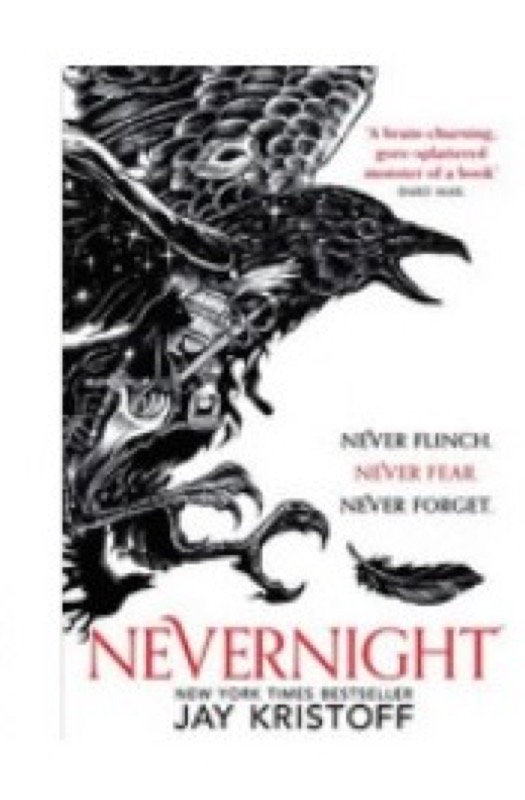
Nevernight
Book One
Hook & thesis
In Nevernight, Jay Kristoff weaves a tapestry of vengeance and desire, where darkness is not merely a backdrop but an active participant in the pursuit of one’s soul. Verdict: This book is a masterclass in marrying gothic romance with relentless ambition, igniting a flame that endures far beyond its pages.
The contextual pivot
Nevernight occupies a unique niche within the fantasy-romance genre, drawing parallels with authors like Sarah J. Maas and V.E. Schwab, yet it distinctly thrives in its own shadowy realm. Kristoff’s style is a bold blend of lyrical prose and brutal realism, appealing to an audience that craves both the lushness of fantasy and the visceral impact of dark themes. The invisible audience here is those who revel in morally ambiguous characters and intricate world-building, as this book bridges niche tropes with broader appeal through its rich, yet accessible, narrative.
Deep-dive critique
The structure of Nevernight is a labyrinthine journey, seamlessly intertwining past and present through shifting timelines that reflect the protagonist’s internal conflict. Kristoff’s choice of a third-person limited perspective allows readers to intimately experience Mia Corvere’s motivations and desires while maintaining an air of mystery around secondary characters. The pacing is deliberate, with tension building like a slow burn, particularly through the exquisite dialogue that balances wit with gravitas.
The prose is a standout element, laden with vivid imagery and a tone that oscillates between poetic elegance and raw intensity. For instance, Kristoff’s descriptions of the dark, opulent environments of the Red Church serve not just to set the scene but to mirror Mia’s own tumultuous emotional landscape. However, one could argue that at times, the lushness of the language risks overshadowing the clarity of plot progression, possibly leaving some readers adrift in its rich textures.
The thematic exploration of power, love, and sacrifice is intricately woven into the fabric of the narrative, accentuated by the complex relationships Mia forms — particularly with her mentors and rivals, resonating deeply with the core of human experience. The ending, rife with twists and emotional weight, feels both earned and provocative, compelling the reader to engage with unresolved tensions that linger long after the final page.
Discussion launchpad
The interplay of light and dark in Nevernight offers fertile ground for discussion, particularly about the ethical boundaries of ambition and love.
Questions for the room:
- How does Kristoff’s portrayal of morally gray characters impact your connection to their journeys?
- In what ways does the lush prose enhance or hinder the narrative’s momentum?
- What does the book suggest about the relationship between power and vulnerability?
- How do the gothic elements of the story shape your understanding of romance within a fantasy context?
- Can the emotional intensity of Nevernight be viewed as a commentary on the human condition?
#TheOrchidRoom #fantasyromance #darkromance #nevernight #literaryanalysis