
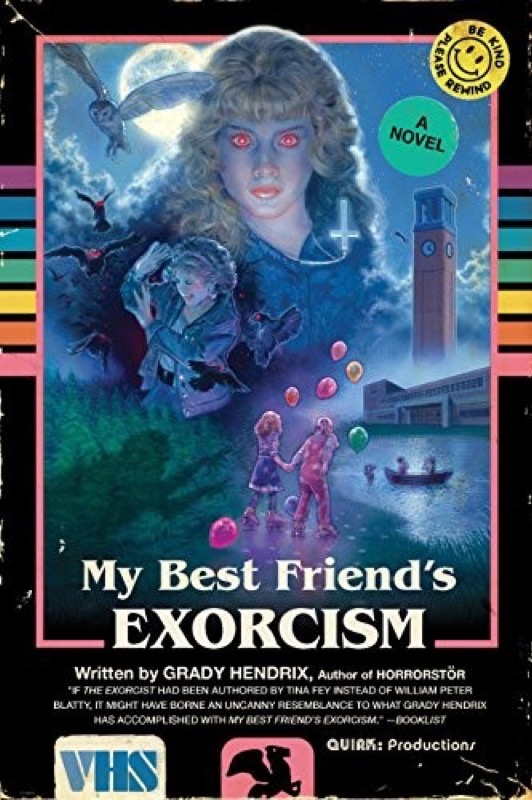
My Best Friend's Exorcism
Hook & thesis
Grady Hendrix’s My Best Friend’s Exorcism masterfully intertwines adolescent friendship with the grotesque realities of demonic possession, resulting in a narrative that is as much about the struggle for identity as it is about facing the horrors of betrayal and societal expectation. Verdict: This book is a sensational exploration of friendship and fear, delivered with a sharp wit that cuts deeper than its supernatural veneer.
The contextual pivot
Positioned within the gothic horror-romance genre, Hendrix’s novel carves a niche that balances nostalgia for the 1980s with the chilling elements of body horror and supernatural dread. This work aligns with the likes of Stephen King and Paul Tremblay, who deftly blend the mundane with the monstrous, but Hendrix adds a layer of humor and heart that sets him apart. The invisible audience he engages seems to be those who relish a visceral experience wrapped in a coming-of-age narrative, bridging niche tropes of horror to appeal to a broader readership while also embracing the complexities of teen relationships.
Deep-dive critique
The structure of My Best Friend’s Exorcism is particularly effective in its pacing, oscillating between moments of tension and tender nostalgia, allowing readers to immerse themselves in the protagonist’s plight. The first-person perspective cultivates an intimacy that draws us into the emotional core of the story, especially during scenes of acute trauma and transformation. Hendrix’s prose is vibrant and visceral, utilizing vivid imagery to evoke the grotesque aspects of demonic possession. For instance, the body horror elements are described with such unsettling detail that they incite visceral reactions, effectively heightening the stakes of friendship and loyalty.
The dialogue between characters is sharp and authentic, echoing the vernacular of the 1980s while also delivering poignant moments that resonate with the struggles of adolescence. However, while the narrative excels in building tension through its character dynamics, certain plot points feel rushed, particularly towards the climax. This leads to a resolution that, while thematically resonant, might leave some readers desiring a more complex denouement. The ending, though satisfying in its emotional payoff, occasionally glosses over the intricacies of how friendship can morph under the strain of betrayal and fear.
Discussion launchpad
Hendrix’s blend of horror and humor may polarize readers, prompting discussions around whether levity undermines the gravity of trauma depicted in the narrative. Additionally, the 80s setting may evoke nostalgia, but does it serve the story’s themes effectively, or does it risk alienating contemporary audiences?
Questions for the room:
- How does the humor in the book shape your understanding of the horror elements?
- Does the portrayal of demonic possession resonate with personal or cultural experiences of betrayal?
- How effectively does the novel address the complexities of female friendship through its supernatural lens?
- What does the portrayal of body horror say about the characters’ internal struggles?
#TheOrchidRoom #gothic #horrorromance #friendship #80snostalgia