
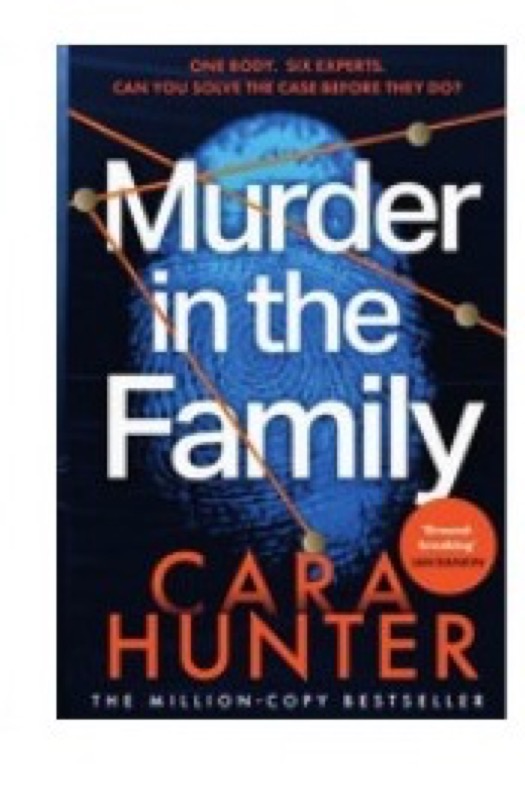
Murder in the Family
One body. Six experts. Can you solve the case before they do?
Hook & thesis
In Murder in the Family, Cara Hunter crafts a labyrinthine dark-thriller that delves deep into the chilling undercurrents of familial bonds and betrayal. Verdict: This novel is an unsettling exploration of how love can morph into malice, revealing that the most dangerous secrets often lie within our closest relationships.
The contextual pivot
Hunter’s work sits firmly within the dark-thriller genre, drawing comparisons to the intricate, suspense-laden narratives of authors like Gillian Flynn and Tana French. Her exploration of psychological tension and familial disintegration resonates with readers who revel in the darker shades of human nature. The novel cleverly bridges niche tropes of interactive mystery with broader appeal, inviting those who might typically shy away from the genre into its thrilling embrace. Its structure, which allows readers to engage as amateur detectives, cultivates a sense of agency that is both refreshing and disorienting.
Deep-dive critique
The craft of Murder in the Family is marked by its meticulous pacing and multi-layered narrative. Hunter employs a shifting point of view that not only enhances the suspense but also unveils the disparate motivations lurking beneath the surface of every character. The timeline is expertly manipulated, creating a sense of urgency that pulls readers into the active investigation while carefully laying out breadcrumbs of information. However, at times, this structure can feel convoluted, risking reader fatigue as they navigate through the myriad of perspectives.
Character development shines brightly, particularly in the complex portrayal of familial relationships. Dialogue is sharp and revealing, illustrating both affection and hidden resentments, yet it occasionally falters into exposition-heavy territory that detracts from the organic flow. The world-building, too, is rich yet claustrophobic, echoing the oppressive nature of the family secrets at its core.
As for the ending, it is both shocking and earned, providing a cathartic release after a journey fraught with tension. The final revelations are unsettling, effectively highlighting the theme that sometimes love can be the most grotesque kind of violence.
Discussion launchpad
Hunter’s intricate narrative and the morality of her characters will likely ignite passionate debate.
- What does the novel suggest about the nature of familial loyalty versus personal integrity?
- How does the interactive element of the story affect your engagement with the mystery?
- In what ways does Hunter’s depiction of violence challenge or reinforce typical tropes of the dark-thriller genre?
- Can we truly empathize with characters whose motivations are steeped in darkness?
Questions for the room:
- How do you interpret the moral ambiguity presented in familial relationships?
- What did you think of the pacing and structure? Did it enhance or hinder your reading experience?
- How do Hunter’s choices in characterization compare to other authors in the genre?
#LiteraryAnalysis #GothicEdge #TheOrchidRoom #darkthriller #romanticsuspense