
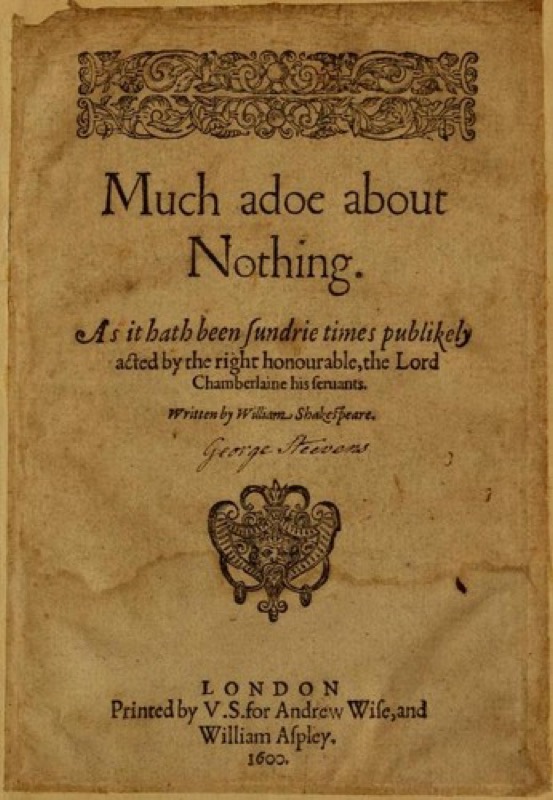
Much Ado About Nothing
Hook & thesis
William Shakespeare’s Much Ado About Nothing is a masterful exploration of wit, deception, and the fragile dance of romance that ensues when enemies become lovers. Verdict: This play transcends its comedic structure to expose the raw, often perilous nature of human connection.
The contextual pivot
Situated within the rich tapestry of Elizabethan comedy, Much Ado About Nothing juxtaposes the buoyant charm of romance with darker undertones of misunderstanding and betrayal. Shakespeare expertly navigates the enemies-to-lovers trope, crafting a world where banter masks deeper vulnerabilities. This play invites both ardent Shakespeare aficionados and newcomers, bridging the gap between niche appreciation for classic literature and broader romantic sensibilities. It resonates with contemporary readers who are familiar with the complexities of love and rivalry, making it a timeless exploration of relational dynamics.
Deep-dive critique
The structural elegance of Much Ado About Nothing is marked by its dual narrative arcs: the spirited clash between Beatrice and Benedick and the more somber path of Claudio and Hero. Shakespeare’s adept use of prose and verse creates a rhythm that enhances the comedic exchanges while also grounding the emotional stakes. Beatrice’s sharp wit and Benedick’s reluctant affection serve to highlight the fluidity of love—how it can be masked by pride and pretense. The dialogue crackles with tension, particularly in their verbal sparring, which lays the groundwork for an emotionally charged resolution.
However, the play’s comedic elements sometimes blur the darker themes of deception and honor, particularly in Claudio’s public shaming of Hero, which raises questions about gender and agency. The pacing, while generally brisk, stumbles slightly in the latter acts, where the resolution feels rushed. The climactic revelations regarding Hero’s fidelity and the ultimate reconciliation challenge the audience to consider whether true love can emerge from the ashes of betrayal. The ending, while satisfying, may feel unearned if viewed through a modern lens that demands accountability and autonomy, especially for Hero.
Discussion launchpad
Shakespeare’s ability to balance humor and darker themes opens a rich vein for discussion. The characters’ flawed perceptions of love and honor can polarize opinions, inviting debates on the nature of their relationships.
Questions for the room:
- How do Beatrice and Benedick’s interactions critique societal norms surrounding love and courtship?
- In what ways does Claudio’s treatment of Hero reflect historical and contemporary issues of gender?
- Can the resolution of the play be seen as truly just, or does it gloss over deeper moral failures?
- How does the use of language in the play enhance or obscure the underlying tensions?
- What role does deception play in both love and friendship throughout the narrative?
#TheOrchidRoom #enemiestolovers #darkromance #classic #Shakespeare