
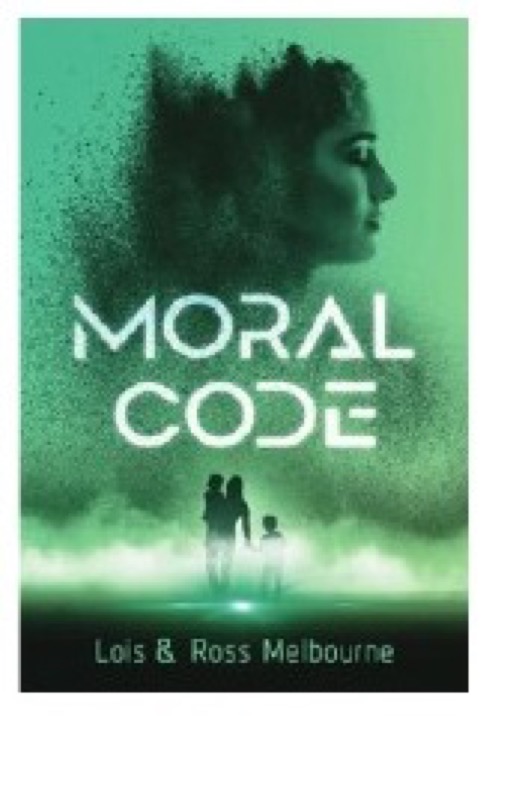
Moral Code
Hook & thesis
In “Moral Code,” Lois and Ross Melbourne weave a dark tapestry of fantasy and romance, exploring the moral complexities of love in an age of artificial intelligence. Verdict: This book compels readers to confront the unsettling intersections of desire and ethics, leaving us questioning the very nature of humanity.
The contextual pivot
Nestled within the fantasy-romance genre, “Moral Code” blurs the lines between traditional romance narratives and speculative fiction, much like the works of authors such as N.K. Jemisin or the techno-romantic tales of Ann Aguirre. The Melbournes’ exploration of AI themes and existential dread presents a fresh take, appealing not only to genre enthusiasts but also to a broader audience intrigued by the implications of technology on human connections. This book acts as a bridge, inviting both romance readers and those curious about speculative futures to engage with its layered conflicts and moral dilemmas.
Deep-dive critique
The structure of “Moral Code” is meticulously crafted, alternating perspectives that deepen our understanding of the key characters’ motivations and moral quandaries. This duality enhances the pacing, allowing moments of tension to build effectively as the protagonists navigate their relationship amidst the existential threats of their world. The Melbournes excel in their use of dialogue, which feels both authentic and charged with underlying tension, serving as a vehicle for character development. For instance, the way they articulate the stakes of love in a world where algorithms dictate emotional responses adds a palpable weight to their interactions.
However, the thematic exploration of morality can occasionally feel heavy-handed, risking the nuance that the narrative strives for. While the existential dread pervades the narrative, some readers may find the resolution somewhat predictable, lacking the necessary psychological complexity that the buildup promises. The ending is indeed earned, though it invites mixed feelings; it raises questions about sacrifice and the cost of love, yet may leave some desiring a more profound confrontation with its central theme.
Discussion launchpad
The novel’s merging of AI with traditional romantic tropes creates polarizing viewpoints, particularly regarding the portrayal of agency and love in a technologically mediated world. Does a relationship built on such shaky foundations hold genuine merit, or does it challenge the very essence of human connection?
Questions for the room:
- How do you perceive the role of AI in shaping emotional landscapes within the narrative?
- Do you think the authors successfully balance the fantastical elements with the moral dilemmas presented?
- In what ways does the book challenge or reinforce traditional romantic tropes?
- How does the exploration of existential dread resonate with contemporary societal anxieties?
- What do you believe is the ultimate message regarding love and morality in a technologically advanced society?
#TheOrchidRoom #moralcode #darkromance #fantasyromance #literaryanalysis