
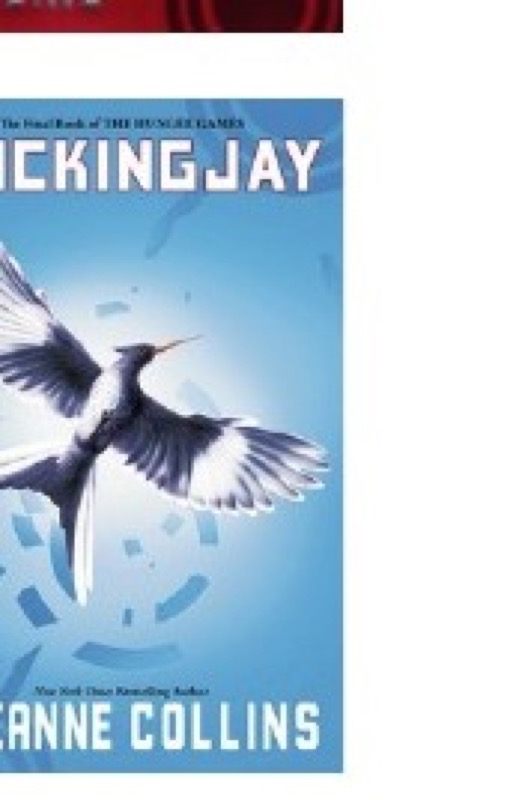
Mockingjay
Hook & thesis
In “Mockingjay,” Suzanne Collins crafts a brutal exploration of war’s aftermath, dissecting the heavy cost of survival and resistance. Verdict: This installment shatters the myth of heroism, revealing the grotesque realities that lie beneath the surface of rebellion.
The contextual pivot
Positioned at the dark heart of the dystopian genre, “Mockingjay” serves as a haunting conclusion to The Hunger Games trilogy. Collins deftly pivots from the survival games of earlier volumes to the moral complexities of warfare, aligning her narrative with other grim explorations of conflict like George Orwell’s “1984” and Margaret Atwood’s “The Handmaid’s Tale.” Here, she unveils an audience grappling with the disillusionment of idealism, bridging niche tropes of dystopian fiction with broader themes of power and manipulation, appealing to both young adults and seasoned genre readers.
Deep-dive critique
Collins employs a fragmented structure that mirrors the protagonist Katniss Everdeen’s psychological turmoil, creating a narrative that oscillates between hope and despair. The pacing is intentionally disjointed, reflecting the chaos of revolution and the protagonist’s mental state. However, this can undermine the emotional weight of key moments, with some pivotal scenes feeling rushed and lacking the depth they demand.
Character development shines in the exploration of Peeta Mellark’s trauma, illustrating the psychological scars war inflicts on individuals. Yet, Katniss remains a somewhat passive figure, her agency stripped by external forces, which may frustrate readers yearning for a more proactive heroine. The dialogue serves the narrative well, with sharp exchanges that resonate with the book’s dark themes, although some characters feel underdeveloped, particularly the supporting cast that could have enriched the narrative landscape.
Ultimately, the ending is a bittersweet resolution that raises questions about the morality of leadership in wartime, forcing the reader to confront the cost of victory and the personal sacrifices made along the way.
Discussion launchpad
Collins’ dark tapestry invites critical dialogue on the nature of rebellion and the price of freedom. Themes of manipulation and disillusionment may polarize readers, prompting a deeper investigation into the moral ambiguities presented.
Questions for the room:
- Does the portrayal of Katniss as a reluctant hero undermine the traditional heroic narrative?
- How effectively does Collins depict the psychological impact of war on her characters?
- In what ways does the ending challenge or conform to genre expectations?
- What role does propaganda play in shaping the characters’ realities, and does this reflect contemporary societal issues?
- How does the book’s dark tone resonate with or diverge from the previous installments?
#LiteraryAnalysis #GothicEdge
#darkthriller #mockingjay #darkheartlabs