
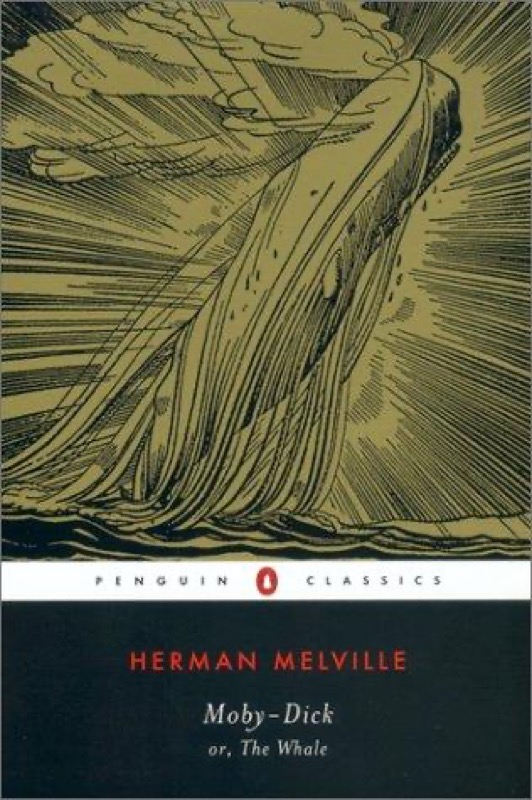
Moby-Dick or, The Whale
Hook & thesis
Herman Melville’s Moby-Dick or, The Whale is not merely a tale of obsession and revenge on the high seas; it is a profound exploration of humanity’s struggle against the unfathomable forces of nature and fate. Verdict: This masterwork serves as a complex allegory for existential inquiry, making it a timeless cornerstone of American literature.
The contextual pivot
Positioned within the genre of classic literature, Moby-Dick stands as a towering figure alongside works like Nathaniel Hawthorne’s The Scarlet Letter and Mark Twain’s Adventures of Huckleberry Finn, both of which tackle the human condition through a distinctly American lens. Melville’s nuanced prose and thematic ambition set it apart from the more straightforward narratives of his contemporaries, inviting readers into an intricate world of symbolism and philosophical inquiry. The invisible audience here is not just the maritime enthusiast but also the introspective reader grappling with the weight of existence — the text successfully bridges niche tropes of whaling and adventure to the broader themes of obsession and mortality.
Deep-dive critique
Melville’s structure oscillates between narrative progression and digressive exposition, which reflects Ishmael’s own existential musings. The pacing can feel sluggish, particularly in chapters devoted to cetology, but these serve to deepen the thematic exploration of obsession and the vastness of knowledge. The point of view, largely from Ishmael, creates an intimate yet fractured lens through which the reader experiences Captain Ahab’s descent into madness. Melville’s prose is rich and often poetic, filled with metaphors that evoke the sublime terror of the sea, though at times it risks alienating readers with its complexity. Characters like Queequeg and Ahab are vividly drawn, embodying the dichotomy between civilization and primal instinct, yet some secondary characters remain underdeveloped. The ending, with its dramatic confrontation between Ahab and the titular whale, is undeniably earned, as it masterfully encapsulates the overarching themes of obsession and the human quest for meaning against the indifferent forces of nature.
Discussion launchpad
While Moby-Dick is celebrated as a literary triumph, its dense prose and philosophical explorations often split readers. Some may find the narrative disjointed or the themes too esoteric, while others revel in the depth of its inquiry. Questions for the room:
- Does Melville’s digression enhance or detract from the main narrative?
- How does Ahab’s obsession reflect contemporary issues of identity and purpose?
- In what ways can we relate Ishmael’s journey to our own existential searches?
- How effectively does Melville balance the adventure with heavy philosophical themes?
- What does the whale symbolize in the context of personal versus universal struggles?
#CollegeLit #FreshmanYear #Canon #classic #whaling #revenge #madness