
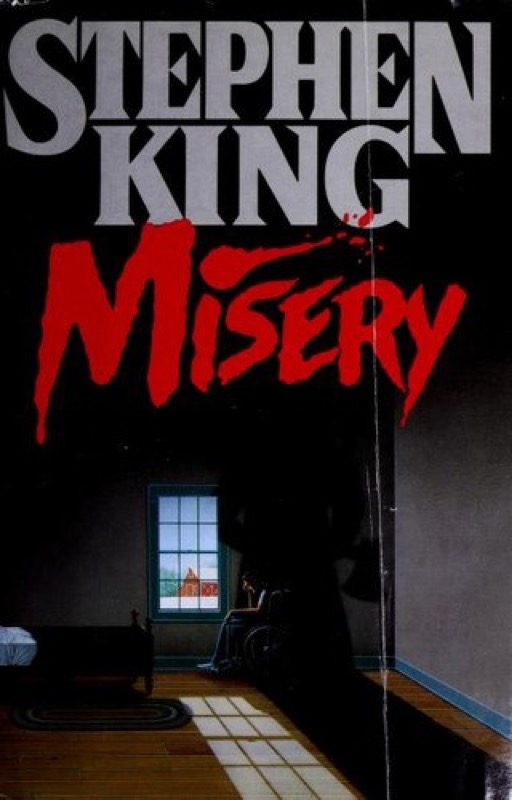
Misery
Hook & thesis
In Misery, Stephen King crafts a harrowing narrative that intricately explores the depths of obsession and the darker sides of creativity. The true engine of this gripping tale is the relationship between captive author Paul Sheldon and his psychotic fan Annie Wilkes, which serves as a profound commentary on the power dynamics of authorship. Verdict: This is a masterclass in suspense that unflinchingly examines the price of fame and the fragility of mental health.
The contextual pivot
Misery occupies a significant place within the dark-thriller genre, balancing elements of psychological horror with incisive social commentary on fandom and obsession. King, known for his ability to tap into primal fears, pushes the boundaries of interpersonal terror, making this work resonate not only with horror aficionados but also with a broader audience intrigued by psychological complexities. The novel bridges niche tropes of obsessive fandom to general readers, inviting them to confront uncomfortable truths about admiration and creativity.
Deep-dive critique
King’s structural choices amplify the tension throughout Misery, with a tightly woven timeline that oscillates between past recollections and the immediate horror of captivity. The pacing is deliberate, allowing moments of psychological tension to simmer before boiling over into visceral violence. This structural control effectively underscores the themes of power and submission, as Paul’s initial passivity conflicts with Annie’s increasingly domineering presence.
The prose is stark yet evocative, enhancing the claustrophobic atmosphere of the narrative. King’s dialogue captures the disturbing dynamic between Paul and Annie, revealing their complex psychological states. The world-building, constrained largely to Annie’s isolated home, serves as a microcosm of their turbulent relationship, emphasizing the psychological entrapment.
While the ending arrives with an earned sense of resolution, it raises questions about the cyclical nature of trauma and creativity, suggesting that the aftermath of such an ordeal will eternally haunt Paul. However, the craftsmanship occasionally falters in its overt reliance on genre conventions, risking predictability where it might have ventured into deeper psychological exploration.
Discussion launchpad
Misery is bound to ignite discussions around fandom’s dark side and the responsibilities of creators to their audiences. The polarities within the book’s themes can lead to diverging opinions on the nature of obsession and the ethics of artistic expression.
Questions for the room:
- How does Misery challenge our perception of the author-fan relationship in contemporary culture?
- In what ways does the portrayal of Annie Wilkes reflect societal attitudes towards mental illness?
- To what extent does the novel’s resolution offer closure, or does it perpetuate the cycle of violence and obsession?
- How do King’s thematic choices reflect or diverge from other dark-thriller authors?
- What role does the setting play in shaping the psychological tension of the narrative?
#LiteraryAnalysis #darkthriller #psychologicalthriller #obsession #theorchidroom