
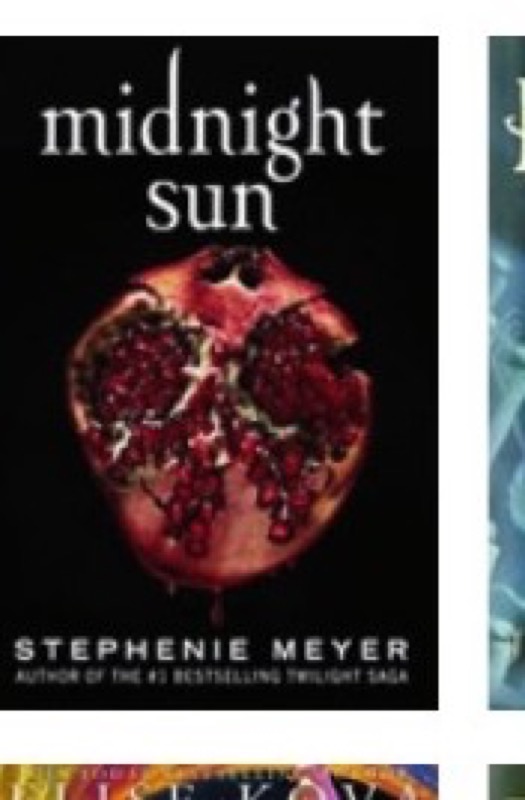
Midnight Sun
Hook & thesis
In Midnight Sun, Stephenie Meyer reclaims her iconic narrative through Edward Cullen’s perspective, delving into the shadows of desire and the complexities of moral ambiguity in love. Verdict: This novel breathes new life into a familiar tale, revealing that the heart of darkness is as compelling as the sunlight it longs to escape.
The contextual pivot
As a reinvention of the Twilight saga, Midnight Sun deftly occupies a unique space within the vampire-paranormal genre, blending romantic yearning with existential dread. Meyer’s exploration of Edward’s inner turmoil juxtaposes the classic tropes of forbidden love and supernatural allure with a deeper meditation on loneliness and the weight of immortality. This novel reaches beyond its niche audience of YA enthusiasts, potentially engaging a broader readership drawn to Gothic motifs and philosophical musings about the nature of love and sacrifice.
Deep-dive critique
Meyer’s choice to structure the narrative through Edward’s point of view is both revelatory and limiting. The first-person perspective imbues the narrative with an intimate sense of urgency and introspection, yet it often stalls the pacing, particularly in moments where Edward’s brooding thoughts overshadow plot progression. The prose navigates between lyrical and clinical, capturing Edward’s tortured soul while occasionally veering into melodrama.
Characterization shines through Edward’s conflicted nature—his desire for Bella is laced with an inherent fear of harming her, a tension that creates a compelling push-pull dynamic. Meyer excels in world-building, immersing readers in the rich textures of Forks, Washington, where the omnipresent gloom mirrors Edward’s emotional state. However, some dialogue feels stilted, lacking the naturalistic cadence that would elevate the emotional stakes.
Thematically, Midnight Sun explores love not merely as a force of connection but also as a potential harbinger of destruction, a duality that resonates within a Gothic framework. The ending, while expected, offers a profound sense of resolution that underscores the internal battles fought throughout the novel. It is earned, yet leaves the reader yearning for deeper exploration of its darker themes, hinting at the complexities of morality entwined with passion.
Discussion launchpad
Meyer’s Midnight Sun instigates polarized responses around the romanticization of toxic relationships and the portrayal of masculinity through Edward’s character. Are readers encouraged to empathize with Edward’s struggles, or does it lean dangerously into justifying destructive behaviors in the name of love?
Questions for the room:
- Does Edward’s perspective alter your perception of Bella’s agency within the story?
- How effectively does the narrative balance romantic desire with horror elements?
- In what ways does this book challenge or reinforce the stereotypes present in vampire fiction?
- Can the moral complexities presented be reconciled with the romantic idealism the series is known for?
- What does this retelling say about the evolution of young adult literature concerning darker themes?
#TheOrchidRoom #vampire #paranormal #darkromance #midnight