
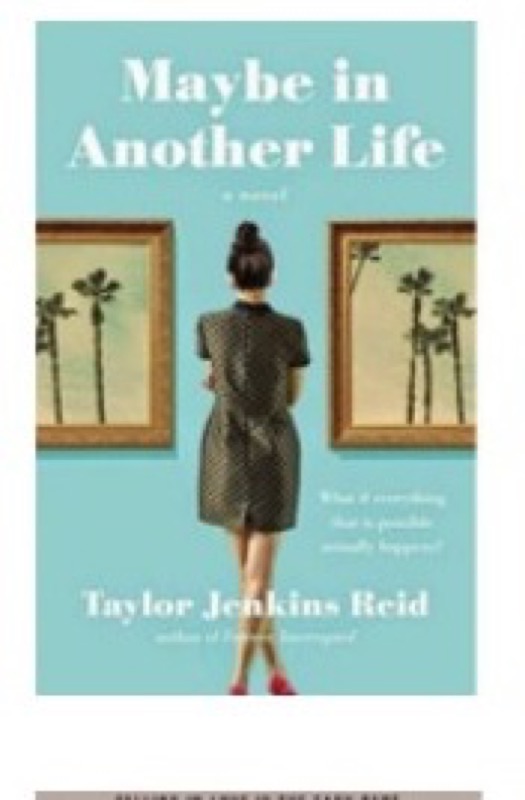
Maybe in Another Life
What if everything that is possible actually happens?
Hook & thesis
In Maybe in Another Life, Taylor Jenkins Reid explores the intricate tapestry of choice and consequence through the lens of a forbidden love story that teeters on the edge of destiny. Verdict: This novel deftly intertwines the threads of romance and existential inquiry, ultimately revealing that the heart’s desires may lead us down divergent paths but never away from our true selves.
The contextual pivot
Positioned within the contemporary romance genre, Reid’s work is a distinctive blend of heartfelt narrative and profound introspection reminiscent of authors like Nicholas Sparks and Colleen Hoover. Yet, she carves her niche by engaging with the “sliding doors” motif—a dual narrative structure that allows readers to ponder how one choice can irrevocably alter the course of a life. This narrative technique not only appeals to those well-versed in romantic tropes but also expands the audience to include readers drawn to philosophical questions about fate and identity. Reid’s exploration is particularly resonant in today’s climate, where the notions of love and choice are in constant flux, making it relatable to a broad spectrum of readers while still catering to a niche of forbidden romance enthusiasts.
Deep-dive critique
Reid’s narrative structure is central to the book’s emotional impact. The alternating timelines serve to deepen the exploration of the protagonist’s choices, allowing readers to experience the consequences of each potential life path. This method enhances suspense and engages the reader’s imagination, effectively drawing them into the character’s internal conflict. The pacing is masterfully controlled; moments of tension are interspersed with reflective pauses that heighten both emotional stakes and character development.
Characterization shines through Reid’s careful attention to detail. The protagonist’s evolution is intricately portrayed, making her struggles and desires palpable and relatable. Dialogue is sharp, often revealing hidden longings and fears, which adds layers to the characters’ interactions. However, the novel occasionally falters in its pacing during transitions between the two timelines, which may momentarily disrupt the reader’s immersion. Despite this, the thematic cohesion of love, choice, and self-discovery remains intact, culminating in an ending that feels both surprising and inevitable—a testament to the book’s exploration of parallel lives.
Discussion launchpad
Reid’s work provokes a rich dialogue around the nature of choices and their implications on love and life. The dual narrative can elicit polarizing opinions on its effectiveness in conveying the depth of the characters’ experiences.
Questions for the room:
- How do you feel about the dual-narrative structure? Does it enhance or detract from the emotional weight of the story?
- What does the novel suggest about the nature of fate versus free will in romantic relationships?
- Are there moments in the book that challenge the typical tropes of forbidden love? How do these moments resonate with you personally?
- In what ways do the characters reflect societal views on love and choice?
- How does the ending shape your overall perception of the characters’ journeys?
#TheOrchidRoom #forbiddenlove #darkromance #slidingdoors #literaryanalysis