
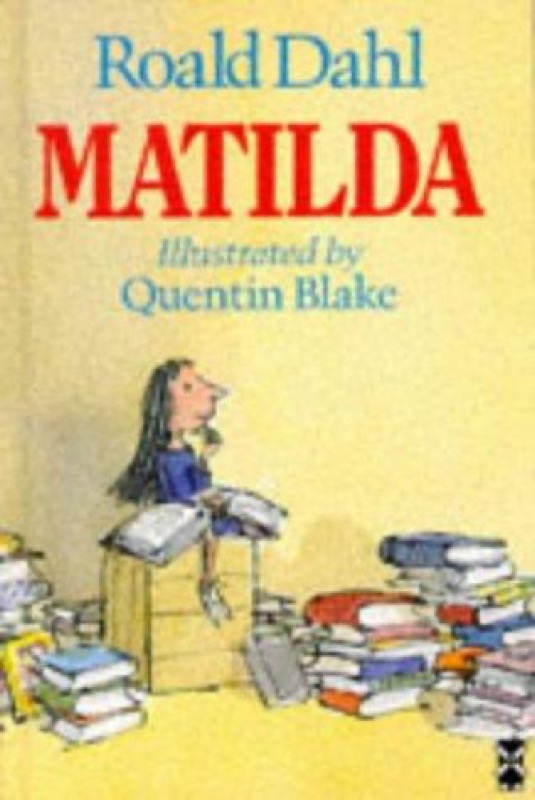
Matilda
Hook & thesis
In Roald Dahl’s Matilda, the fiercely intelligent young protagonist battles a world dominated by neglectful parents and tyrannical authority figures, illuminating the resilience of childhood against systemic oppression. Verdict: Dahl crafts a poignant exploration of the power of knowledge and imagination, making this work a timeless classic that resonates with both children and adults alike.
The contextual pivot
Matilda occupies a unique space within the realm of juvenile fiction, characterized by its blend of magical realism and dark humor. Dahl, known for subverting traditional narratives, presents a narrative that not only entertains but also critiques societal norms, particularly in the context of family dynamics and education. Unlike other children’s authors such as Roald’s contemporary, E.B. White, who often depict idyllic rural life, Dahl’s sharp wit and satirical lens offer a more complex portrayal of childhood struggles, making this book accessible to both young readers and adults who appreciate its underlying themes. The invisible audience is clearly children, yet the layers of irony and social commentary ensure that Matilda engages a wider readership, bridging niche tropes with universal truths.
Deep-dive critique
Dahl’s structure effectively juxtaposes Matilda’s extraordinary capabilities with the mundane cruelty of her environment. The pacing is brisk, reflecting a child’s energetic perspective, while the use of a third-person omniscient point of view allows readers to experience the injustices faced by Matilda and her peers. Craft-wise, Dahl excels in his use of vivid imagery and playful language, creating a whimsical yet biting atmosphere. The characters, particularly the monstrous Miss Trunchbull and the nurturing Miss Honey, serve as compelling foils that enhance the story’s thematic depth. However, some may find the characterizations bordering on caricature, which could detract from the realism intended in Matilda’s victories. The ending, where Matilda finds a loving home, feels both earned and cathartic, as it reinforces the theme of the transformative power of love and acceptance.
Discussion launchpad
While Matilda is beloved, certain elements may polarize readers. For instance, the portrayal of authority figures could spark debates on the effectiveness of humor in addressing serious issues like bullying.
Questions for the room:
- Does the exaggerated portrayal of adults undermine the seriousness of the issues faced by children?
- How does Matilda’s magical abilities serve as both a metaphor for intelligence and a means of empowerment?
- In what ways does this book challenge or reinforce traditional family roles?
- Can Dahl’s blend of humor and dark themes be considered appropriate for children?
- What lasting impact does Matilda have on our understanding of childhood resilience?
#LitClass #Grade11 #RequiredReading #children’sliterature #magicalrealism