
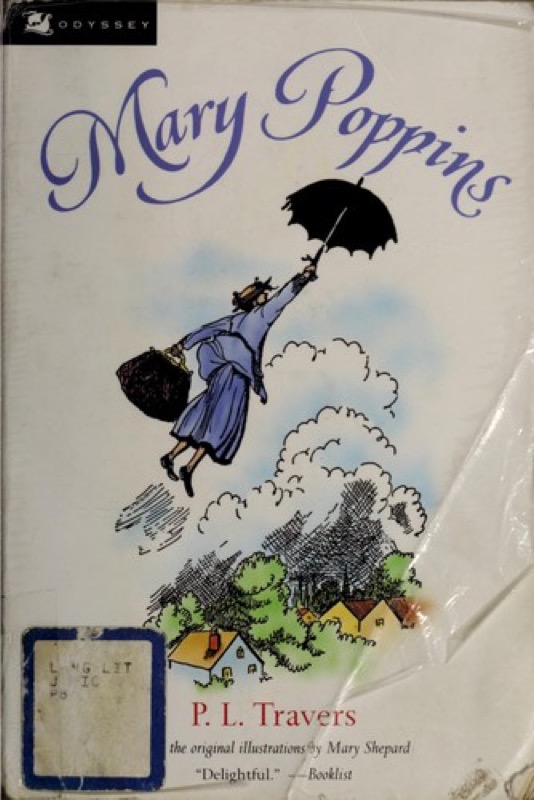
Mary Poppins (Mary Poppins, #1)
Mary Poppins Series
Hook & thesis
P.L. Travers’ Mary Poppins transcends its whimsical surface to explore the darker intricacies of childhood and the authoritative presence of adult figures. Verdict: Travers crafts a gothic tale that both enchants and unsettles, revealing that magic often thrives in the shadows of our realities.
The contextual pivot
Nestled within the realm of children’s literature, Mary Poppins defies simple categorization, weaving elements of gothic horror and romance into a narrative that both mesmerizes and evokes unease. Compared to other literary giants such as Roald Dahl and Lewis Carroll, Travers’ work occupies a unique space, where the fantastical intersects with the foreboding, creating a landscape rich with hidden fears and unspoken desires. While the narrative appeals to a younger audience, its psychological depth resonates with adults, bridging niche tropes with universal themes of authority and rebellion.
Deep-dive critique
Travers employs a fragmented structure, presenting the story through episodic vignettes that mirror the chaotic nature of childhood. This pacing allows for a fluid exploration of the uncanny; each chapter introduces new wonders and terrors, effectively maintaining a tension that underlines the duality of Mary Poppins’ character. The prose is lush and vivid, filled with imagery that evokes the eerie beauty of the supernatural. Consider the scenes where Mary Poppins interacts with the children — her magical acts are not merely delightful; they are suffused with an unsettling ambiguity that prompts readers to question her motives and the implications of her enchantments.
Characterization is where the narrative excels, particularly in the juxtaposition of Mary Poppins and the Banks children. Mary serves as both caregiver and captor, embodying the gothic archetype of the mysterious woman whose charm conceals a darker intent. Travers’ dialogue crackles with wit and underlying menace, particularly in exchanges that reveal the children’s conflicting emotions toward their governess. The world-building, steeped in a Victorian sensibility, amplifies this tension, as the external magic reflects internal struggles and societal expectations.
However, the episodic nature may leave some readers desiring a more cohesive narrative arc. The ending, which hints at permanence yet retains an air of transience, may feel unearned to those seeking closure. Nevertheless, this ambiguity aligns with the thematic exploration of impermanence and the fleeting nature of childhood.
Discussion launchpad
Travers’ work invites a complex conversation about childhood, authority, and the interplay of magic and reality. The juxtaposition of delight and dread creates a rich tapestry for analysis, particularly in how these themes resonate across generations.
Questions for the room:
- How does the ambiguity of Mary Poppins’ character influence our understanding of childhood innocence?
- In what ways does Travers’ use of gothic elements shift the tone of a children’s story?
- Can we view Mary Poppins as a feminist figure, challenging traditional gender roles, or does she reinforce them?
- How do the episodic elements contribute to or detract from the overall narrative experience?
- What are the implications of magic in the context of authority and control?
#TheOrchidRoom #gothic #horrorromance #classic #literaryanalysis