
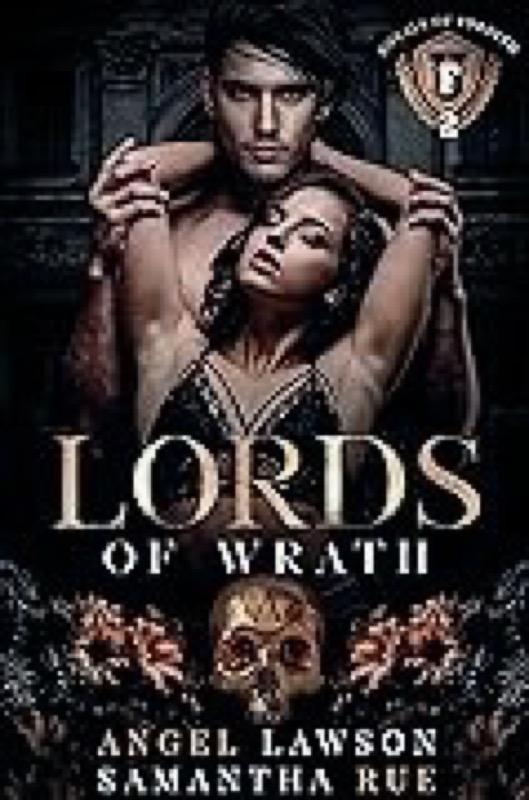
Lords of Wrath
Royals of Forsyth — Book 2
Hook & thesis
Lords of Wrath by Angel Lawson and Samantha Rue plunges readers into a world where power, possession, and perilous desire intertwine. The authors deftly explore the tumultuous dance of love and hate within a framework of toxic relationships that both entrap and ignite the characters. Verdict: This book is a seduction wrapped in menace, where the line between passion and pain is not just blurred, but shattered.
The contextual pivot
In the realm of bully-romance, Lords of Wrath occupies a unique niche within the Royals of Forsyth series, standing as the second installment that builds on the power dynamics established in its predecessor. The narrative is steeped in gothic undertones, reminiscent of classic enemies-to-lovers tales but with a contemporary twist that appeals to both die-hard fans of the genre and newcomers alike. The authors embrace the genre’s signature tropes — bullying, dubcon, and possessiveness — while crafting a plot that resonates with readers craving emotional intensity and conflict. The invisible audience is undoubtedly those who revel in dark romance, yet the juxtaposition of vulnerability against a backdrop of violence can engage a wider readership seeking exploration of complex emotional landscapes.
Deep-dive critique
The structural design of Lords of Wrath is compellingly layered. The dual perspectives of the protagonists provide a rich tapestry from which both their inner turmoil and external conflicts emerge. This bifocal narrative style expertly heightens tension, as readers oscillate between the perspectives of desire and despair. Pacing is meticulously crafted; the authors balance moments of rapid escalation with chilling pauses, allowing emotional stakes to simmer before boiling over.
The prose is imbued with a visceral quality that evokes a sense of urgency, yet it also occasionally stumbles into melodrama. While the dialogue crackles with sharpness, there are instances where character motivations feel overshadowed by the overriding themes of dominance and submission, leading to a dissonance that may detract from character depth. Furthermore, the portrayal of power imbalance traverses a fine line, occasionally veering into territory that could alienate sensitive readers despite its thematic relevance. The ending, while explosive, raises questions about the characters’ growth and whether their arcs feel earned or merely a product of their tumultuous environment.
Discussion launchpad
The interplay between desire and danger in Lords of Wrath serves as fertile ground for debate. Readers may grapple with the moral implications of the characters’ actions, particularly surrounding themes of consent and power dynamics that are central to the narrative.
Questions for the room:
- How effectively do the authors navigate the complexities of consent within their narrative?
- Do the characters exhibit genuine growth, or are they merely products of their environment?
- What are the implications of portraying such intense possessiveness as romantic?
- How does the dual perspective enhance or hinder the overall impact of the story?
- In what ways does the setting amplify the themes of power and vulnerability?
#TheOrchidRoom #bullyromance #darkromance #royalsofforsyth #literaryanalysis