
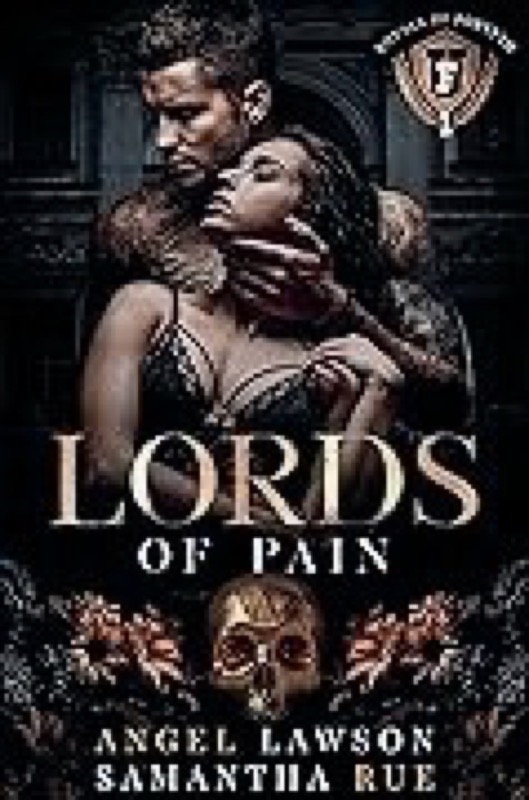
Lords of Pain
Royals of Forsyth — Book 1
Hook & thesis
In Lords of Pain, Angel Lawson and Samantha Rue illuminate the raw, pulsating heart of desire intertwined with manipulation and dominance within the microcosm of an elite academy. Verdict: This book is a tempest of emotional turbulence and moral ambiguity that leaves readers questioning the very nature of love and power.
The contextual pivot
Situated firmly within the bully-romance subgenre, Lords of Pain pulls from familiar tropes of power dynamics and forbidden attraction while venturing into darker psychological territory often neglected by its contemporaries. The authors deftly navigate the tension between antagonism and attraction, akin to the works of authors like Penelope Douglas and Tijan, yet they manage to carve out a distinctive niche that appeals to both dedicated genre fans and those new to such complexities. The invisible audience comprises readers drawn to gothic themes who revel in the collision of pain and pleasure — a potent mix that echoes through the halls of the elite Forsyth academy.
Deep-dive critique
The structure of Lords of Pain employs a dual perspective, alternating between the protagonist and her tormentors, which effectively heightens the emotional stakes and allows for a nuanced exploration of character motivations. This choice serves to dismantle the often one-dimensional portrayal of aggressors in romance; here, their vulnerabilities and desires emerge alongside their cruelty, complicating the reader’s alignment. The pacing is relentless, mirroring the protagonist’s spiraling descent into a world where love and fear coalesce, yet it occasionally stumbles under the weight of its ambition. At times, the rapid shifts can lead to disorientation, leaving certain emotional beats underdeveloped.
Moreover, the dialogue crackles with tension — each exchange is laced with unspoken desires and threats, encapsulating the power imbalances that define the relationships within this twisted social hierarchy. However, the thematic exploration of consent is fraught; while the authors attempt to comment on the blurred lines of attraction and coercion, the execution may prove contentious for some readers, as it risks romanticizing unhealthy dynamics. The ending, while provocative, may feel unearned to those seeking resolution, deliberately leaving threads loose to prompt consideration of the characters’ futures.
Discussion launchpad
The polarities within Lords of Pain are palpable, particularly surrounding the moral implications of its themes — can love truly flourish in such toxic soil? What do we gain from narratives that challenge traditional notions of consent and power?
Questions for the room:
- How do the authors balance the line between romance and manipulation?
- In what ways does the dual POV enhance or detract from the emotional weight of the story?
- What are the implications of depicting consent in a narrative where power imbalances are central?
- How do you feel about the unresolved ending — is it a bold choice or a narrative failure?
- Which characters did you find empathetic, and how did that affect your reading experience?
#TheOrchidRoom #bullyromance #darkromance #royalsofforsyth #literaryanalysis