
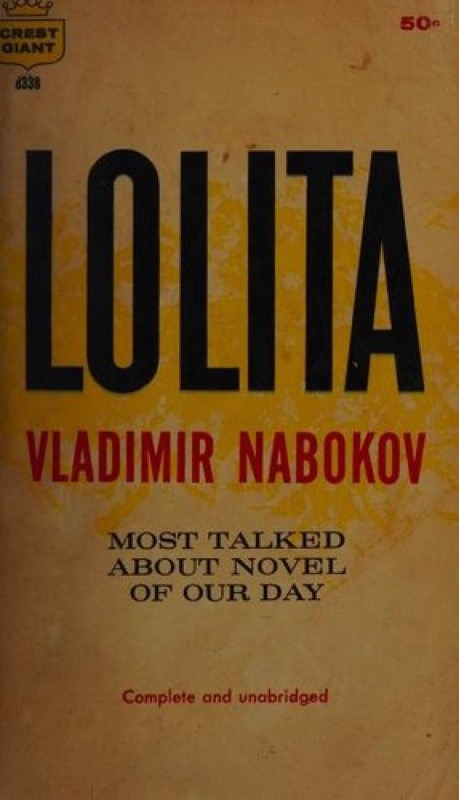
Lolita
Hook & thesis
In Vladimir Nabokov’s controversial masterpiece, Lolita, the intricacies of obsession and manipulation unfurl through the eyes of an unreliable narrator, leading readers through a labyrinth of moral ambiguity. Verdict: This novel is a haunting exploration of desire that leaves an indelible mark on the psyche, challenging us to confront the very nature of love and its dark shadows.
The contextual pivot
Lolita sits at the intersection of dark romance and psychological fiction, a genre often fraught with taboo, yet Nabokov elevates it into a profound examination of desire and its consequences. It is a work that demands attention not only from those who are drawn to its salacious premise but also from a wider audience interested in the psychological undercurrents of human behavior. Nabokov’s prose is both lyrical and chilling, showcasing his literary prowess while inviting comparison to other authors who navigate similar themes, such as Henry Miller or Anaïs Nin, yet none approach the complexity with which Nabokov intertwines beauty and horror. This novel is not merely a tale of forbidden love; it is a mirror reflecting societal discomfort and the darker facets of the human condition.
Deep-dive critique
Nabokov’s mastery of language is evident in Lolita, where he employs a first-person narrative that offers an intimate yet deceptive glimpse into Humbert Humbert’s psyche. The structure is meticulously crafted, with a nonlinear timeline that serves to heighten the tension and ambiguity surrounding the protagonist’s motivations. Each chapter is steeped in rich, poetic language that juxtaposes the grotesque with the sublime, drawing readers into Humbert’s warped worldview while simultaneously repulsing them. For instance, the way Nabokov describes his characters and settings creates a lush tapestry that seduces even as it unsettles, mirroring the very nature of Humbert’s obsession.
However, the very brilliance of Nabokov’s prose can also obscure the thematic weight of the narrative. The question of whether Humbert is a reliable witness to his own depravity is ever-present, and while this ambiguity serves to challenge readers, it can also create a distance that complicates emotional engagement. The dialogue is sharp, often laced with irony, exposing the manipulative nature of Humbert’s charm yet occasionally straying into self-indulgence that may alienate some readers. The novel’s conclusion, while powerful, risks leaving readers grappling with a sense of unresolved tension, raising questions about accountability and the nature of redemption.
Discussion launchpad
Nabokov’s Lolita is rife with polarizing elements that can ignite fervent debate among readers. The interplay between beauty and horror, the manipulation inherent in Humbert’s narrative, and the ethical implications of the story itself can split opinions sharply.
Questions for the room:
- How do you interpret Nabokov’s use of unreliable narration? Does it enhance or hinder your connection to the story?
- In what ways does the novel challenge societal norms regarding love and desire?
- Can we separate the art from the artist in the context of this work? How does Nabokov’s personal life influence your reading?
- What is the role of language in shaping our perception of Humbert as a character?
- How does the ending resonate with your understanding of consequences for Humbert’s actions?
#TheOrchidRoom #forbiddenlove #darkromance #classic #psychological