
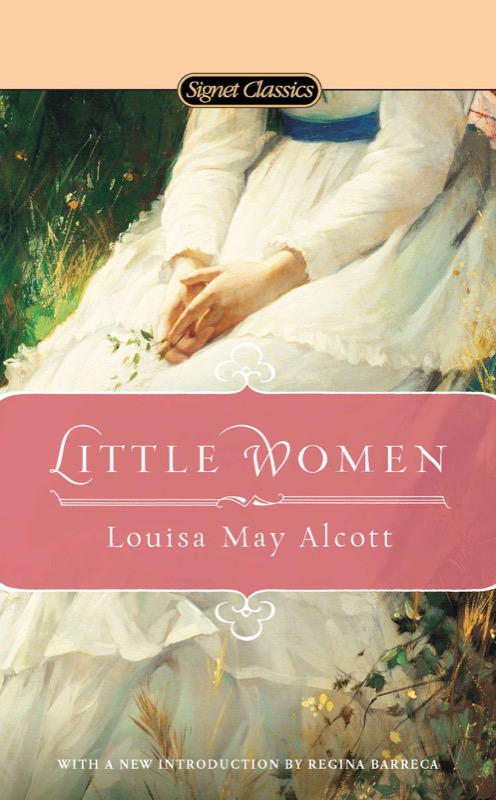
Little Women (Little Women, #1)
Little Women Series
Hook & thesis
Louisa May Alcott’s Little Women is a formative coming-of-age tale that explores the complexities of sisterhood, personal ambition, and societal expectations in post-Civil War America. Verdict: This novel powerfully captures the struggle between individual desires and familial duties, making it a timeless exploration of women’s roles across generations.
The contextual pivot
As a cornerstone of juvenile fiction, Little Women stands alongside other classic works like Louisa May Alcott’s own Little Men and Mark Twain’s The Adventures of Tom Sawyer, but it distinctly focuses on the internal lives of young women. Alcott’s narrative not only resonates with the domestic sphere but also subtly critiques the gender norms of her time, appealing to both a niche audience seeking female perspectives and general readers through universal themes of growth and family dynamics.
Deep-dive critique
Alcott expertly crafts Little Women through a rich tapestry of character development and thematic depth. The structure, divided into two parts, allows for a clear progression of the March sisters’ journeys from childhood to adulthood, utilizing a third-person omniscient point of view that effectively highlights each character’s unique struggles and growth. Characterization shines, especially in Jo March’s fierce independence and Meg March’s desire for social acceptance, illustrating the tension between personal ambition and societal expectations.
Dialogue is particularly strong, with natural exchanges that encapsulate the sisters’ relationships, while the vivid descriptions of their domestic life provide a warm backdrop that contrasts with their internal conflicts. However, the pacing occasionally falters, particularly in the second half, where the narrative can feel drawn out, diluting the emotional impact of pivotal moments. The ending, while uplifting, may feel somewhat contrived, with character resolutions that risk oversimplifying the complexities of their journeys.
Discussion launchpad
Little Women presents several polarizing themes that may spark debate among readers.
- How effectively does Alcott balance romantic subplots with the central themes of sisterhood and personal ambition?
- Are the resolutions of the characters’ arcs satisfying or overly idealistic?
- In what ways does the novel reflect or challenge contemporary gender roles?
Questions for the room:
- What do you think of Jo’s character arc in relation to societal expectations of women?
- How does the portrayal of family dynamics in Little Women compare to modern representations?
- Do you believe the novel’s ending subverts or reinforces traditional gender norms?
- How do the different sisters represent various aspects of femininity?
#LitClass #Grade11 #RequiredReading #coming-of-age #sisterhood