
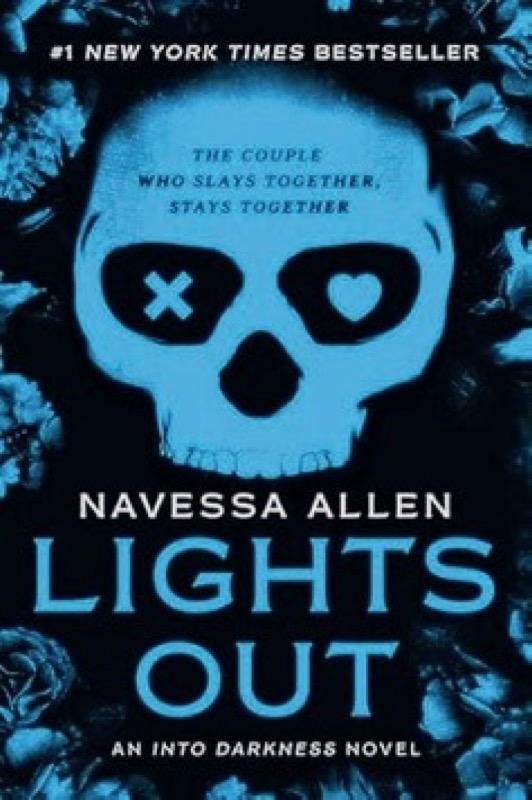
Lights Out
The couple who slays together, stays together
Hook & thesis
In Lights Out, Navessa Allen crafts a darkly intoxicating world where the boundaries of love and obsession dissolve in a haze of violence and desire. Verdict: This novel dares to explore the dangerous allure of a relationship rooted in chaos, ultimately revealing that love can be as lethal as it is passionate.
The contextual pivot
Lights Out occupies a niche yet provocative space within the enemies-to-lovers trope, marrying gothic romance with elements of psychological thriller. Allen’s narrative is an intriguing addition to the dark romance genre, echoing the intense relational dynamics found in works by authors like Anna Zaires and Talia Hibbert, yet it ventures further into the shadows. The book speaks to an invisible audience craving complexity in their romantic escapades, bridging niche themes of obsession and violence with broader emotional stakes that resonate with general readers.
Deep-dive critique
The structure of Lights Out is pivotal to its success; Allen employs a dual perspective that oscillates between the protagonists’ inner thoughts, enhancing the tension and emotional stakes. This duality not only propels the plot forward but also deepens the reader’s understanding of each character’s motivations. The pacing is deliberate, allowing moments of simmering tension to unfold into explosive confrontations, effectively mirroring the characters’ tumultuous relationship.
Character development shines through Allen’s delicate balance of intrigue and vulnerability. The protagonists are intricately drawn, embodying both the allure and the horror of their circumstances. Allen’s prose is rich and atmospheric, steeped in a gothic sensibility that complements the visceral themes of obsession and violence. However, the dialogue occasionally falters, veering into melodrama that risks undermining the emotional gravity the story aspires to maintain.
The thematic exploration of morality in love and the nature of obsession is both compelling and unsettling. The ending, while shocking, feels earned; it culminates in a visceral confrontation that challenges the reader’s expectations. Yet, one might question whether the romantic resolution truly transcends the darkness explored throughout the narrative.
Discussion launchpad
Lights Out raises polarizing questions about the nature of love and the boundaries we are willing to cross for it. How does one reconcile the romanticization of violence with the darker aspects of human nature?
Questions for the room:
- Can a romance grounded in violence ever be truly redemptive?
- Where do we draw the line between obsession and love in storytelling?
- Is the portrayal of the protagonists’ darkness an endorsement of their actions or a critique of them?
- How does Allen’s use of gothic elements enhance the emotional impact of the story?
- What does this book suggest about the nature of desire when intertwined with danger?
#TheOrchidRoom #enemiestolovers #darkromance #gothic #literaryanalysis