
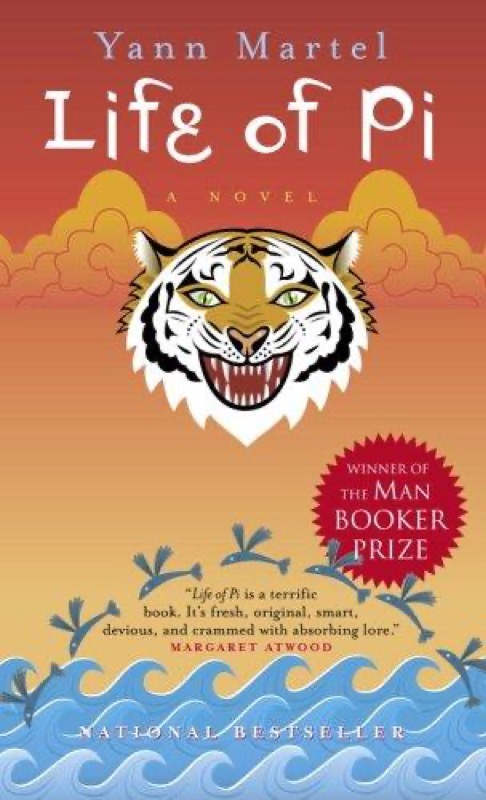
Life of Pi
Hook & thesis
In Life of Pi, Yann Martel navigates the treacherous waters of survival and spirituality through the eyes of a boy stranded at sea with a Bengal tiger. The book’s true engine lies in the labyrinthine struggle between faith and despair amidst physical isolation. Verdict: This narrative is a haunting exploration of the human spirit that transcends mere adventure, yet it risks drowning in its philosophical depths.
The contextual pivot
Life of Pi occupies a unique niche within the dark-thriller genre, merging elements of survival narrative with profound philosophical inquiry. Unlike straightforward thrillers, Martel’s work invites comparison to other literary giants such as Gabriel García Márquez and Haruki Murakami, who intertwine magical realism and existentialism. Martel’s ability to bridge esoteric themes with mainstream appeal positions this book to engage both niche audiences and general readers alike, deftly inviting introspection while sustaining suspense.
Deep-dive critique
Martel structures Life of Pi through a dual narrative that oscillates between Pi’s life before the shipwreck and his harrowing days at sea, a choice that enriches the thematic landscape but occasionally disrupts pacing. The initial chapters, while vibrant and whimsical, risk losing momentum as the narrative shifts to the claustrophobic confines of the lifeboat. Yet, this juxtaposition serves to heighten the tension, forcing readers to confront the stark realities of survival.
Characterization excels, particularly in Pi’s multidimensional portrayal — a boy who embodies conflicting beliefs, caught between science and spirituality. The dialogue, often introspective, feels authentic and reflective of Pi’s internal struggle. However, the world-building can feel uneven; the lushness of India contrasts sharply with the starkness of the Pacific, creating a dissonance that serves the thematic dichotomy but may alienate some readers.
The ending, a philosophical revelation wrapped in ambiguity, challenges readers to grapple with the nature of truth and belief. Despite its merits, one might argue this closure may feel unearned to those desiring a more definitive resolution, leaving the reader suspended between faith and skepticism.
Discussion launchpad
The dichotomy of belief versus empirical evidence raises questions that could polarize readers. Is Martel ultimately endorsing a particular worldview, or does he merely present a tapestry of possibilities?
Questions for the room:
- Does the philosophical depth enhance or detract from the survival narrative?
- How does the treatment of faith in the text resonate with contemporary spiritual dilemmas?
- Is the ambiguity of the ending a stroke of genius or a narrative flaw?
- In what ways does the book challenge traditional genre boundaries?
- How effectively does the dual narrative structure impact reader engagement?
#LiteraryAnalysis #GothicEdge #darkthriller #philosophy #theorchidroom