
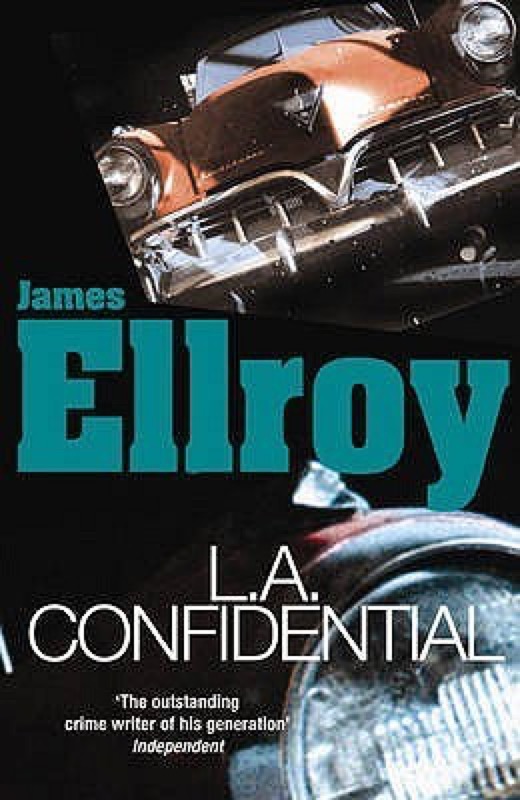
L.A. Confidential (L.A. Quartet, #3)
L.A. Quartet, #3
Hook & thesis
James Ellroy’s L.A. Confidential serves as a haunting exploration of corruption and moral decay in the labyrinthine streets of 1950s Los Angeles. Verdict: Through a grim tapestry of violence and betrayal, Ellroy unearths the grotesque truths hidden beneath the city’s glamorous facade, capturing the darkness of human ambition and desire.
The contextual pivot
In the landscape of dark thrillers, L.A. Confidential holds a unique position, intertwining the classic noir with the sprawling narrative style characteristic of Ellroy’s oeuvre. This third installment of the L.A. Quartet expands on the thematic undercurrents of power, guilt, and the disillusionment of the American dream. The invisible audience consists of noir aficionados and those drawn to the morbid intricacies of crime fiction, yet Ellroy’s gripping narrative may bridge niche tropes to engage broader readers who relish moral ambiguity.
Deep-dive critique
Ellroy’s structure in L.A. Confidential is a dense web of intertwining storylines and multiple perspectives, compelling yet at times overwhelming. The shifting points of view serve a dual purpose: they provide a multifaceted view of the central conflict while also showcasing the pervasive paranoia that envelops the characters. However, this complexity can alienate readers who may struggle to keep track of the myriad characters and subplots.
The prose is sharp, often brutal in its honesty; Ellroy’s dialogue crackles with authenticity, echoing the era’s rawness. Yet, there are moments where the relentless pace undermines character development. For instance, while the protagonists—Ed Exley, Bud White, and Jack Vincennes—are vividly drawn, their arcs sometimes feel eclipsed by the plot’s frenetic momentum, leaving readers longing for deeper emotional resonance. The thematic exploration of masculinity, particularly in the characters’ violent pursuits, raises questions about the price of ambition and the fragility of heroism.
In terms of craft, Ellroy excels in world-building, crafting a Los Angeles that is as much a character as the men who navigate its shadows. The incorporation of real historical events adds an unsettling authenticity, yet the ending—though shocking—feels somewhat unearned, as if it revels in chaos without providing a cathartic resolution for its characters. The moral ambiguities linger long after the final page is turned, encapsulating the essence of noir.
Discussion launchpad
The polarities present in L.A. Confidential invite fervent debate. On one hand, there’s the allure of its unflinching portrayal of darker human instincts, while on the other, the potential desensitization to violence and moral despair may provoke discomfort among readers.
Questions for the room:
- Does the novel’s portrayal of masculinity ultimately reinforce or challenge societal norms?
- How does the chaotic structure impact your engagement with the characters and their arcs?
- In what ways does the historical context enhance or detract from the narrative’s impact?
- Are the violent themes justified in serving the story, or do they hinder the reader’s connection to the characters?
- What does the unresolved ending suggest about the nature of justice in Ellroy’s world?
#LiteraryAnalysis #GothicEdge #darkthriller #noir #theorchidroom