
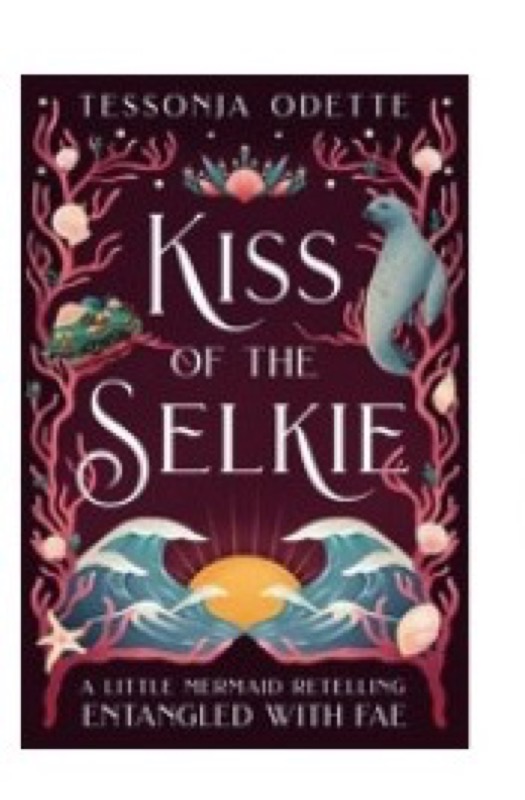
Kiss of the Selkie
Entangled with Fae — A Little Mermaid Retelling
Hook & thesis
Tessonja Odette’s Kiss of the Selkie plunges the reader into a world where longing and transformation clash amid the tides of fate and captivity. Verdict: This dark, romantic retelling of The Little Mermaid transcends its genre, weaving a tapestry of desire and danger that lingers long after the last page.
The contextual pivot
As a fantasy-romance, Kiss of the Selkie occupies a unique niche within a crowded market, blending familiar fairy-tale elements with the allure of selkie mythology. Odette masterfully embraces the oceanic themes akin to Sarah J. Maas’ A Court of Thorns and Roses, while threading in the dark allure characteristic of authors like Anne Rice. The book’s invisible audience is likely to include both avid fans of retellings and readers drawn to darker narratives featuring fae and otherworldly transformations. By bridging niche tropes with broader romantic themes, Odette invites both genre enthusiasts and general readers to explore the depths of human emotion.
Deep-dive critique
Odette’s narrative structure is both fluid and hypnotic, mirroring the mysterious ebb and flow of the ocean. The shifting POV allows readers to inhabit the minds of both the selkie and her love interest, creating a rich tapestry of emotional conflict. However, while the alternating perspectives enhance the depth of character exploration, they occasionally disrupt the pacing, leaving the reader yearning for a tighter focus on the central relationship.
The prose throughout is lush and evocative, expertly conjuring images of the tumultuous sea and the haunting beauty of the fae. Dialogues resonate with an undercurrent of tension, deftly capturing the characters’ desires and fears. Yet, some interactions feel slightly predictable, as if they adhere too closely to genre conventions without fully subverting them.
Thematically, Kiss of the Selkie excels in its exploration of freedom versus captivity, desire versus obligation. Odette deftly depicts the characters’ internal struggles, imbuing their transformations with both physical and emotional stakes. The ending, while climactic, may leave some readers feeling unresolved, as it flirts with a traditional fairy-tale conclusion without fully committing to the consequences of its characters’ choices.
Discussion launchpad
Odette’s work invites a deeper discourse on the nature of transformation and captivity in romance narratives. The interplay between darkness and desire raises compelling questions about agency and identity. What does it mean to truly be free when love itself can feel like a form of bondage?
Questions for the room:
- How do the themes of transformation and captivity impact your understanding of love within the narrative?
- In what ways do you believe Odette’s retelling diverges from or honors the original Little Mermaid tale?
- How does the presence of fae mythology influence your perception of the characters’ motivations?
- Do you find the ending satisfying in terms of character development and thematic resolution? If not, why?
- How does the book balance its darker themes with romantic elements — does it succeed or falter?
#TheOrchidRoom #fantasyromance #darkromance #selkie #literaryanalysis