
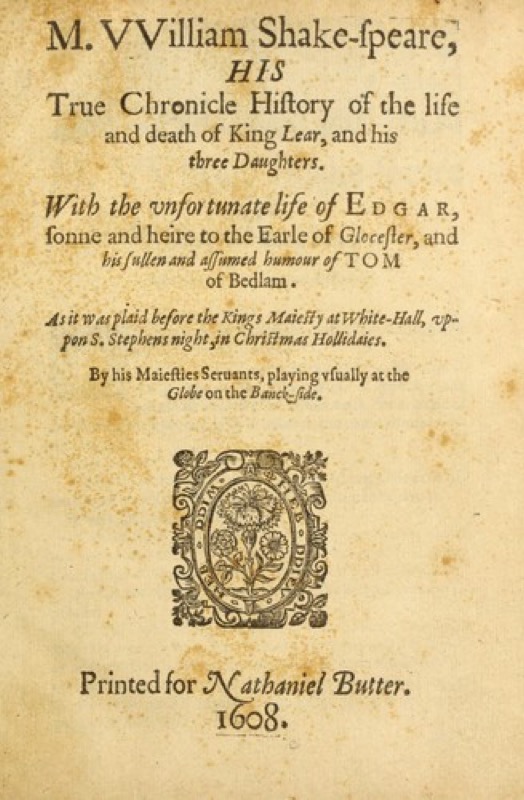
King Lear
A tragic tale of power, betrayal, and madness.
Hook & thesis
William Shakespeare’s King Lear examines the harrowing descent into madness triggered by betrayal and the struggle for power within familial bonds. Verdict: This tragedy brilliantly portrays the fragility of human relationships when tested by greed and ambition, ultimately emphasizing the devastating consequences of pride and folly.
The contextual pivot
King Lear occupies a pivotal space in the realm of classic literature, particularly within the Shakespearean canon, where themes of familial discord and existential dilemmas prevail. Unlike other contemporaneous works such as Hamlet, which delves into existential questioning and revenge, King Lear focuses on the catastrophic effects of misjudgment and the disintegration of familial ties. Shakespeare’s ability to connect with both niche audiences who appreciate intricate character studies and general readers seeking timeless human conflicts is evident, as the play addresses universal themes of loyalty, betrayal, and the quest for power.
Deep-dive critique
The structure of King Lear, with its interwoven plotlines and tragic pacing, serves to enhance the thematic depth of the narrative. The play’s use of multiple perspectives, particularly through the contrasting characters of Lear and Gloucester, illustrates the complexity of perception and reality. Shakespeare’s masterful use of language, particularly in the soliloquies, provides insight into the characters’ psychologies, especially Lear’s gradual unraveling as he grapples with his identity and authority. The stark imagery of the storm, both literal and metaphorical, symbolizes Lear’s inner turmoil, showcasing how nature mirrors human emotion. However, some may argue that the pacing falters in the third act, where the resolution feels rushed after the extensive buildup, leading to a potentially unearned conclusion to Lear’s tragic arc.
Discussion launchpad
King Lear raises critical questions about loyalty and the nature of authority, polarizing opinions on its characters’ motivations and moral standings.
Questions for the room:
- Do you sympathize more with Lear or Cordelia in their respective choices?
- How does the theme of madness function as both a personal and societal critique in the play?
- In what ways does the play reflect the political landscape of Shakespeare’s time, and how does that resonate today?
- Can the ending of King Lear be viewed as redemptive, or is it purely tragic?
- How does the depiction of familial relationships challenge or reinforce societal norms?
#LitClass #Grade11 #RequiredReading #tragedy #Shakespeare