
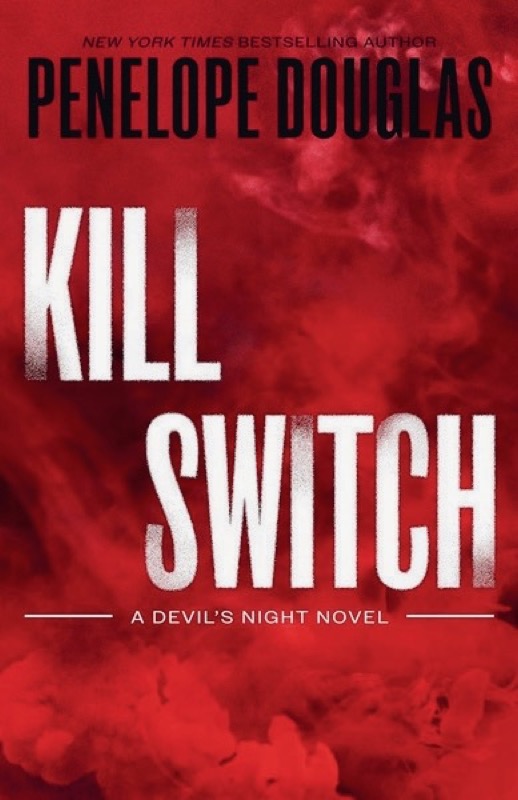
Kill Switch
A Devil's Night Novel
Hook & thesis
In Kill Switch, Penelope Douglas crafts a sinister dance of power, obsession, and the corrosive effects of desire within the confines of a bully-romance narrative. Verdict: This book is a haunting exploration of the darker facets of teenage love that leaves readers questioning the boundaries of affection and domination.
The contextual pivot
Kill Switch situates itself firmly within the bully-romance subgenre, a territory Douglas has navigated with finesse in her previous works, notably the Devil’s Night series. Here, she juxtaposes the seductive allure of danger with the explosive intensity of teenage emotions, bridging niche tropes with broader themes of identity and agency. Douglas’s invisible audience includes those drawn to dark romance, as well as readers seeking complex character dynamics that challenge conventional norms. The narrative’s psychological intensity appeals not only to genre enthusiasts but also to a wider readership willing to embrace its darker shades.
Deep-dive critique
Douglas’s structural choices—particularly her use of dual perspectives—create an intricate tapestry of tension that serves the narrative’s exploration of obsession. The alternating POVs allow for a nuanced understanding of the characters’ inner conflicts and motivations, intensifying the reader’s immersion in their turbulent world. The pacing, however, occasionally falters; moments of heightened suspense can become diluted by drawn-out scenes that detract from the overall urgency.
The prose is laced with a sharp, visceral quality, capturing the raw emotions of its characters with precision. Dialogue sparkles with a blend of wit and cruelty, effectively encapsulating the volatile nature of the relationships at play. However, the world-building, while vivid, occasionally veers into cliché territory, relying on familiar tropes that could have been subverted to add layers to the narrative.
The thematic success lies in its exploration of power dynamics and the duality of love as both nurturing and destructive. The ending, while predictable in its resolution, serves as a fitting culmination of the characters’ tumultuous journey, though it may leave some readers yearning for a deeper exploration of the aftermath.
Discussion launchpad
Kill Switch invites debate on the complexities of love and the moral ambiguities inherent in its portrayal of obsession. The polarizing elements of the narrative—its blend of romance and psychological intensity—can evoke strong reactions among readers.
Questions for the room:
- Does the portrayal of bullying in this context romanticize toxic behavior, or does it provide an honest exploration of complex relationships?
- How effectively does the dual POV enhance or detract from the emotional stakes of the story?
- In what ways does the book challenge or reinforce societal perceptions of love and obsession?
- Is the resolution satisfying in the context of the characters’ development, or does it fall short?
- How do the content warnings shape your reading experience and interpretation of the themes?
#TheOrchidRoom #bullyromance #darkromance #devilsnight #literaryanalysis