
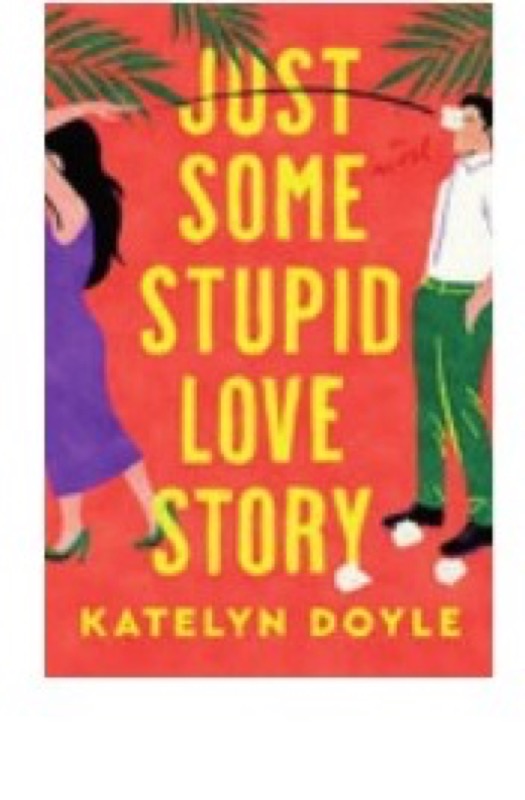
Just Some Stupid Love Story
more
Hook & thesis
Katelyn Doyle’s Just Some Stupid Love Story deftly navigates the treacherous waters of enemies-to-lovers romance, serving up a narrative that exposes the raw, often tumultuous undercurrents of human connection. Verdict: This book is a thrilling exploration of the paradox of desire, where animosity transforms into intimacy, challenging the reader to confront the complexity of love itself.
The contextual pivot
In the crowded genre of romance, Doyle’s work stands out as a fresh entry that both embraces and subverts traditional tropes. The story’s foundation—an enemies-to-lovers dynamic—places it alongside contemporary authors like Emily Henry or Colleen Hoover, yet it seeks to carve its own niche by embedding deeper psychological conflicts and a darker tone beneath the surface. This book deftly bridges the gap between the niche dark romance and a broader audience, making it accessible to readers who might typically shy away from the genre’s more explicit elements.
Deep-dive critique
Doyle employs a clever structure that weaves alternating points of view, allowing readers to experience the evolving perceptions of both protagonists. This technique amplifies the tension, as readers gain insight into the characters’ internal struggles and motivations, creating a rich tapestry of conflicting emotions. The pacing, particularly in the first two-thirds of the novel, builds a simmering intensity that reflects the protagonists’ burgeoning attraction amid their mutual disdain.
However, while the dialogue is sharp and often laced with biting humor, it occasionally leans into cliché, particularly in moments designed for comedic relief. This undermines the otherwise sophisticated portrayal of conflict and desire. The world-building, though minimalist, effectively grounds the narrative in a relatable reality, allowing the emotional stakes to resonate more profoundly.
The climax of the novel, where the characters confront their feelings, is both earned and cathartic, though some may find it teeters on melodrama. The resolution, while satisfying, leaves an element of ambiguity that can provoke varied interpretations. Doyle’s decision to end with a hint of unresolved tension speaks to the complexity of love, inviting readers to consider that relationships often remain a work in progress, even after the climax.
Discussion launchpad
The nuances of this novel create a fertile ground for discussion, particularly regarding the balance between humor and heartfelt emotion in romance narratives. The tension between love and hate raises intriguing questions about the nature of desire in human relationships.
Questions for the room:
- How do you interpret the shift from animosity to intimacy in romantic narratives?
- Does the humor enhance or detract from the emotional stakes in this story?
- How does Doyle’s exploration of darker themes influence your perception of the characters’ relationship?
- What are the implications of leaving the ending somewhat unresolved?
- In what ways does this novel challenge or affirm your views on the enemies-to-lovers trope?
#TheOrchidRoom #enemiestolovers #darkromance #literaryanalysis #darkheartlabs