
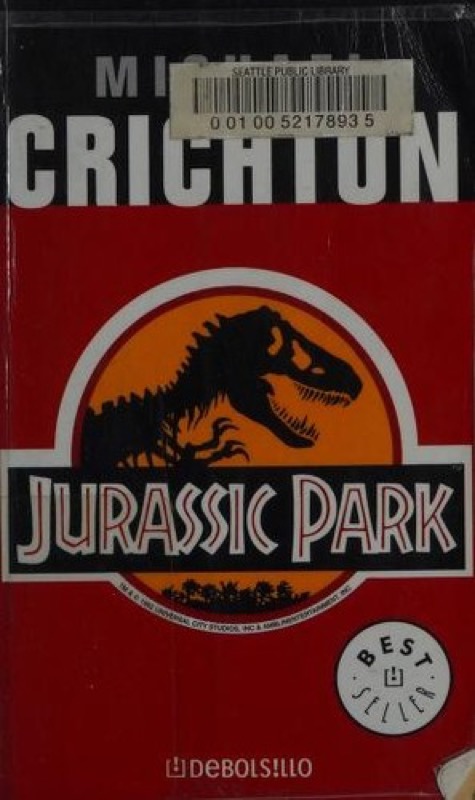
Jurassic Park (Jurassic Park, #1)
Jurassic Park Series
Hook & thesis
Michael Crichton’s Jurassic Park is a cautionary tale that explores human hubris in the face of nature’s primal force, serving as a dark reflection on our obsession with control and technology. Verdict: This novel is a harrowing reminder that playing god can lead to catastrophic consequences, where the thrill of adventure is overshadowed by the specter of death.
The contextual pivot
Positioned within the dark-thriller genre, Jurassic Park deftly blends science fiction with elements of horror, drawing readers into a world where genetic manipulation unleashes ancient terrors. Crichton, known for his meticulous research and exploration of human ethics through scientific lenses, masterfully crafts a narrative that appeals to both niche enthusiasts of speculative fiction and mainstream thrill-seekers. The invisible audience here is both the scientifically curious and those drawn to visceral narratives about humanity’s dependence on technology, making it a bridge between cerebral entertainment and pure adrenaline.
Deep-dive critique
Crichton’s structure, alternating between multiple perspectives, builds tension effectively, creating a sense of impending doom as events unfold on Isla Nublar. The pacing starts with a slow buildup, allowing readers to become engrossed in the scientific nuances of cloning and genetic engineering, before plunging into chaos as the dinosaurs break free. This juxtaposition serves to highlight the fragility of human control over nature, a theme that resonates deeply given contemporary environmental anxieties.
Character development is surprisingly sharp for this genre; Dr. Alan Grant’s skepticism and Ellie Sattler’s fierce determination provide a grounding humanity amidst the unfolding horrors. However, some secondary characters feel underdeveloped, serving merely as plot devices—particularly the corporate figures who, despite their menace, lack the depth that would elevate the stakes further.
The vivid descriptions of the dinosaurs, combined with a palpable sense of dread, amplify the horror elements, yet the dialogue occasionally falters, feeling expository rather than organic. The climax, while thrilling, raises questions about its resolution; the survival of key characters feels more like a convenience than an earned outcome, drawing the reader out of the immersive experience.
Discussion launchpad
Crichton’s Jurassic Park invites a multitude of interpretations and discussions, especially around the ethical implications of scientific advancement and the nature of survival in a world gone awry.
- How effectively does Crichton balance scientific detail with narrative urgency?
- Does the novel vilify technology, or does it critique human arrogance more broadly?
- In what ways do the characters reflect real-world ethical dilemmas in science today?
Questions for the room:
- How do you interpret the ending? Is it a triumph of human spirit or a bleak warning?
- Which character’s motivations resonated most with you and why?
- Does the blend of horror and science fiction enhance or detract from the story’s moral lessons?
#LiteraryAnalysis #GothicEdge #darkthriller #theorchidroom #darkheartlabs