
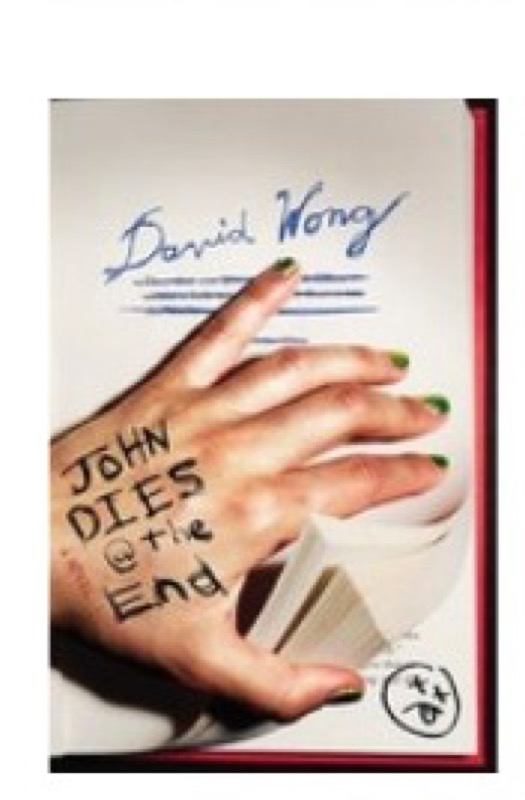
John Dies @ the End
Hook & thesis
In John Dies @ the End, David Wong spins a darkly comedic narrative that delves into the absurdity of existence and the thin veil between reality and the supernatural. Verdict: This book masterfully wields its disorienting blend of horror and humor, making the grotesque both unsettling and captivating.
The contextual pivot
Positioned within the gothic-horror-romance genre, Wong’s work stands apart by melding comedy with existential dread, a rare feat that echoes the likes of Chuck Palahniuk and Neil Gaiman. Unlike traditional horror narratives that lean heavily on fear and suspense, Wong’s signature style invites readers into a chaotic, hallucinogenic experience that engages both niche audiences and wider readers through its sharp wit and relatable absurdities. The book speaks to an invisible audience eager for subversive takes on the paranormal while addressing broader themes of youth disillusionment and the search for meaning amidst chaos.
Deep-dive critique
Wong’s structure, characterized by a non-linear timeline and a first-person point of view, effectively mirrors the disarray of the protagonist’s experiences. The pacing fluctuates, with rapid-fire dialogue that enhances the comedic elements while also building tension. This craftsmanship serves the thesis well, creating a sense of urgency and unpredictability that heightens both the horror and humor.
The prose is laden with vivid imagery and sharp metaphors, making the grotesque palpable. Dialogues are quick and snappy, often layered with subtext that reveals deeper fears and desires of the characters. Character development, especially of the protagonist David, is intricately woven into the narrative, as he navigates the tumultuous waters of friendship, identity, and survival against otherworldly threats. However, the frequent shifts in tone can occasionally blur the emotional stakes, potentially distancing readers from moments that might otherwise carry more weight.
The ending, while chaotic, feels earned in the context of Wong’s thematic exploration of life’s unpredictability. It challenges the reader’s perception of resolution and closure, leaving lingering questions about agency and consequence in a world where reality is often up for debate.
Discussion launchpad
This book’s unpredictable tone and genre-blending might spark a lively debate about the effectiveness of humor in horror and the balance of absurdity with genuine emotional stakes.
Questions for the room:
- Does the comedic aspect dilute the horror, or does it enhance the overall narrative?
- How does Wong’s treatment of friendship and loyalty resonate within the chaos of the plot?
- In what ways can we draw parallels between the surreal elements in this novel and real-life existential crises?
- Are the characters’ experiences reflective of broader societal issues, such as substance use and disillusionment?
- What does the book ultimately say about the human condition?
#TheOrchidRoom #gothic #horrorromance #darkheartlabs #literaryanalysis