
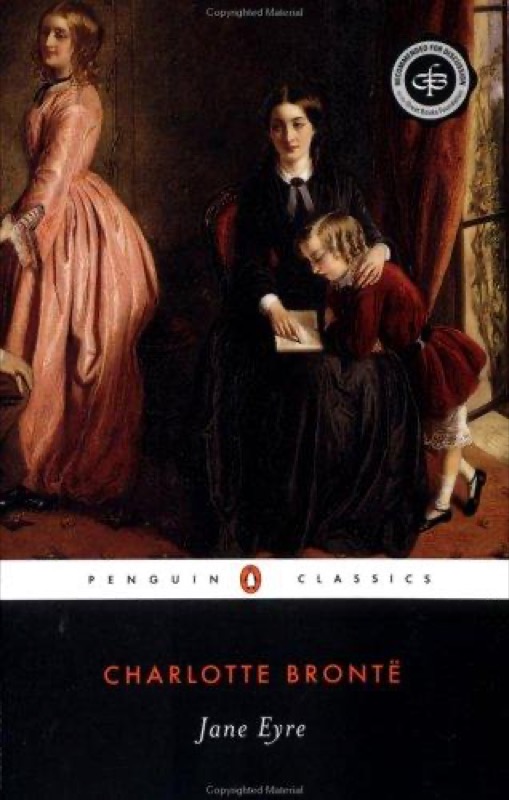
Jane Eyre
Hook & thesis
In Charlotte Brontë’s Jane Eyre, the titular character’s relentless quest for autonomy and identity amidst oppressive societal structures serves as the driving force behind this gothic romance. Verdict: Brontë crafts a profound exploration of selfhood that transcends the constraints of its genre, revealing the complexities of love, class, and morality.
The contextual pivot
Jane Eyre occupies a pivotal space in the gothic-horror-romance genre, melding psychological depth with a critique of Victorian social norms. It stands alongside works by contemporaries like Emily Brontë and Mary Shelley, as well as later authors such as Daphne du Maurier. Brontë appeals to both niche and general readers with her nuanced portrayal of female agency, offering an accessible yet layered narrative that invites reflection on the human condition.
Deep-dive critique
Brontë’s structural choices, particularly her use of first-person narration, allow for an intimate connection with Jane’s inner thoughts, enhancing the emotional gravity of her struggles. The pacing fluctuates effectively, propelling the reader through Jane’s turbulent childhood, her moral dilemmas, and the ultimately redemptive love story with Mr. Rochester. However, some dialogues feel dated, straining modern sensibilities while illuminating the era’s gender politics. The thematic exploration of social class is particularly resonant; Jane’s navigation through various classes emphasizes the injustices of her time while simultaneously elevating her character arc. The conclusion, while seemingly fairy-tale like, is earned through Jane’s moral and emotional growth, providing a powerful resolution that underscores her independence.
Discussion launchpad
Jane Eyre polarizes readers through its blend of romance and gothic elements, prompting debates about its feminist themes versus traditional romantic tropes.
Questions for the room:
- How does Jane’s journey reflect or challenge contemporary notions of feminism?
- In what ways do the supernatural elements serve the narrative, and do they distract from the central themes?
- Does the relationship between Jane and Rochester reinforce or undermine the idea of true equality in love?
- How does Brontë’s treatment of mental illness contribute to or complicate the portrayal of her characters?
- What implications does the class disparity have on the relationships depicted in the novel?
#CollegeLit #FreshmanYear #Canon #gothic #romance