
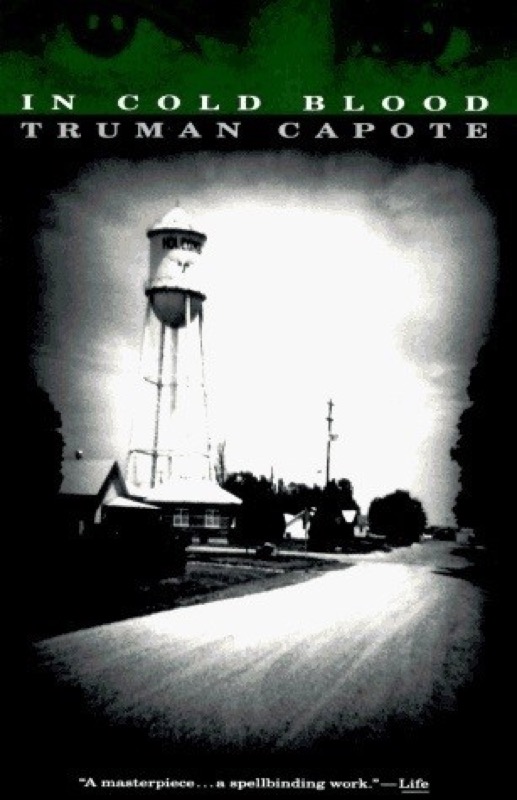
In Cold Blood
Hook & thesis
In Truman Capote’s groundbreaking work, In Cold Blood, the author seeks to explore the chilling depths of the human psyche through the lens of a notorious crime. Verdict: Capote masterfully blends factual reporting with literary elegance, making the narrative not only a true crime account but also a profound commentary on the nature of violence and morality.
The contextual pivot
In Cold Blood occupies a unique position in the genre of true crime, merging elements of journalism with the narrative techniques of fiction. Capote’s meticulous research and immersive storytelling are reminiscent of contemporaries like Norman Mailer and more modern authors such as Michelle McNamara, yet he distinguishes himself through his lyrical prose and psychological insight. The book’s appeal extends beyond niche audiences, engaging general readers by addressing universal themes of despair, murder, and the quest for understanding in the face of horror.
Deep-dive critique
Capote employs a non-linear timeline and multiple perspectives, intertwining the lives of the victims and the murderers, which enhances the thematic exploration of empathy and alienation. His use of vivid imagery and poignant dialogue provides depth to the characters, making the reader grapple with their humanity amidst heinous acts. For instance, Capote’s portrayal of Perry Smith’s troubled childhood evokes sympathy, complicating the reader’s perceptions of morality and culpability. However, some critics argue that the narrative occasionally leans too heavily on pathos, risking a sensationalist portrayal of violence rather than a purely analytical one. The pacing in certain sections could feel uneven, as the narrative sometimes lingers too long on details that detract from the central action. Nonetheless, the ending, which reflects on the aftermath of the crime, is earned and resonates powerfully, leaving readers to ponder the complexities of justice.
Discussion launchpad
Capote’s blending of fact and fiction raises questions about the ethics of true crime storytelling. Questions for the room:
- Does Capote’s approach to characterization compromise the integrity of the victims and murderers?
- Can true crime be both an art form and a responsible narrative?
- How does Capote’s portrayal of mental illness shape our understanding of the criminals?
- Is the emotional engagement with the murderers justified, or does it detract from the victims’ stories?
- In what ways does this work reflect societal attitudes toward crime and punishment during the 1960s?
#LitClass #Grade11 #RequiredReading #DarkThriller #TrueCrime