
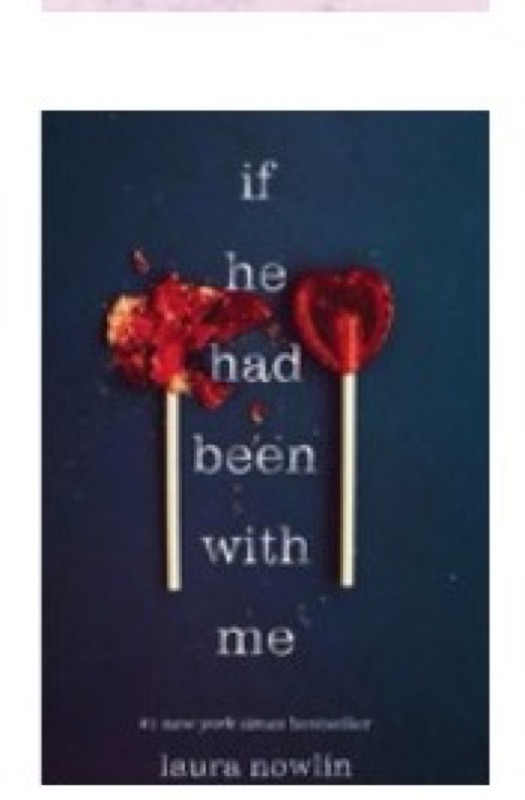
If He Had Been with Me
Hook & thesis
Laura Nowlin’s If He Had Been with Me navigates the treacherous waters of youthful love entwined with grief and regret, exploring how the echoes of what might have been shape our present. Verdict: This poignant narrative masterfully dissects the complexities of unfulfilled desire through a lens of tragic inevitability.
The contextual pivot
Positioned firmly within the forbidden-love genre, Nowlin’s work resonates deeply with the thematic undercurrents found in contemporary young adult literature. It draws on the rich tradition of characters caught between desire and circumstance, reminiscent of John Green’s The Fault in Our Stars and the haunting tones of Melina Marchetta’s Jellicoe Road. The invisible audience here includes both young adults grappling with their burgeoning emotions and more seasoned readers who recall similar heartbreaks from their own pasts. By marrying niche emotional experiences to universal themes of loss and longing, Nowlin crafts a bridge that invites a diverse readership into her world.
Deep-dive critique
Nowlin deploys a nonlinear narrative structure that elegantly mirrors the fragmented nature of memory and longing. The alternating timelines not only enhance the pacing but also serve to heighten the emotional stakes as readers are drawn into the profound depths of the protagonist’s grief. The first-person point of view allows for an intimate connection with Autumn’s internal conflicts, her unvoiced feelings for Finny, and the crushing weight of her experiences. Here, the prose often borders on lyrical, with passages that evoke a visceral sense of longing without tipping into overt sentimentality.
Character development shines in the nuanced portrayal of relationships. Autumn and Finny’s chemistry is palpable yet fraught with the tension of what remains unsaid, showcasing the skillful restraint in dialogue that Nowlin employs. Each interaction is laden with a simmering undercurrent of unfulfilled desire, a dance of proximity and distance that resonates strongly with readers.
However, the book is not without its mechanical flaws. At times, the pacing falters, particularly in the midsection where the emotional intensity wavers, risking reader engagement. Additionally, some secondary characters feel underdeveloped, serving primarily as foils to Autumn rather than fully realized individuals. This oversight slightly diminishes the thematic richness that could have been explored through their perspectives.
The ending, while heart-wrenching, feels both earned and inevitable, encapsulating the novel’s central thesis about the fragility of love and the weight of unspoken words. This ties back to the larger conversation about the choices we make and the paths we leave unexplored.
Discussion launchpad
Nowlin’s exploration of love intertwined with grief may resonate differently among readers, leading to compelling debates about the choices characters make and the consequences that unfold. What does it mean for love to be unfulfilled, and how does that shape our identities?
Questions for the room:
- How do you interpret the significance of the narrative structure in conveying the themes of the book?
- In what ways does the portrayal of secondary characters impact your understanding of the central relationship?
- Does the emotional weight of Autumn’s experience resonate universally, or is it more niche?
- How does Nowlin’s treatment of grief challenge or conform to typical YA tropes?
- What alternatives could have been explored for the ending, and how would they have changed the story’s impact?
#TheOrchidRoom #forbiddenlove #darkromance #youngadult #grief