
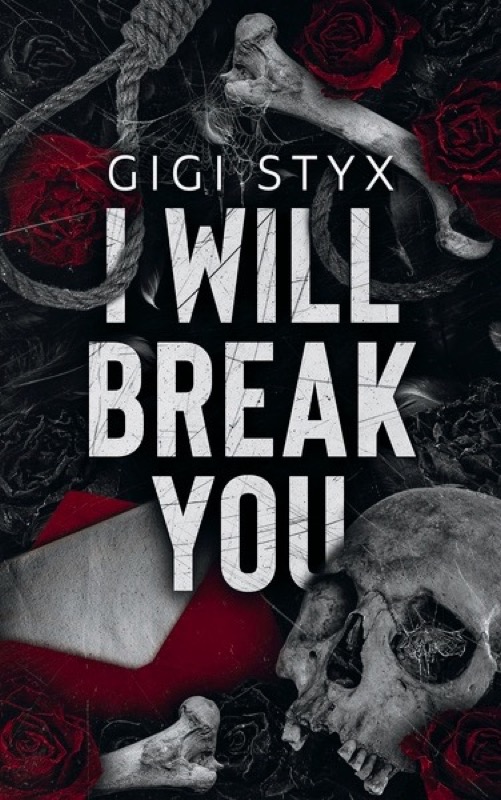
I Will Break You
Hook & thesis
In I Will Break You, Gigi Styx delves into the dark recesses of obsession and the fine line between desire and despair, crafting a narrative that is as compelling as it is disturbing. Verdict: This book is a daring exploration of power dynamics, revealing the haunting truth that love can be as destructive as it is intoxicating.
The contextual pivot
Positioned firmly within the captor-and-captive subgenre, Styx’s work echoes the psychological intensity found in authors like Anna Zaires and C.J. Roberts, yet it carves its own path through an unnerving blend of gothic romance and psychological horror. The book speaks to an audience that thrives on tension and moral ambiguity, bridging the gap between niche dark romance aficionados and general readers who may be unaccustomed to such raw portrayals of desire. Styx’s signature style, marked by stark prose and unflinching character studies, invites readers to confront their own boundaries of empathy and revulsion.
Deep-dive critique
Styx’s narrative structure employs a dual POV that alternates between captor and captive, effectively heightening the psychological tension and allowing readers to navigate the murky waters of both characters’ minds. The pacing is deliberate, mirroring the gradual unraveling of the protagonist’s sanity, which serves to amplify the claustrophobia of the setting. Styx’s prose is sharp and unyielding, with vivid imagery that often dances around themes of death and violence, pushing the reader into a visceral experience of the characters’ plight.
One of the book’s most striking successes lies in its character development. The protagonist’s transformation from a victim to a figure of complex agency challenges traditional narratives of helplessness, questioning the very nature of consent and the power inherent in obsession. However, the narrative sometimes falters in its handling of sensitive themes, risking alienation of readers who may find the portrayal of psychological abuse difficult to digest. The ending, while impactful, teeters on the brink of ambiguity, leaving readers to grapple with the consequences of the characters’ choices, which may feel unearned to some.
Discussion launchpad
The intricacies of obsession and power dynamics offer fertile ground for debate, particularly regarding the line between love and possession. Styx’s exploration of psychological abuse raises questions about moral responsibility in romantic entanglements, prompting a deeper analysis of character motivations.
Questions for the room:
- Does the portrayal of obsession in this narrative glorify unhealthy relationships, or does it serve as a cautionary tale?
- How does Styx’s use of dual POV shape our understanding of the characters’ moral complexities?
- In what ways does the setting contribute to the themes of captivity and psychological turmoil?
- What are the implications of the ambiguous ending for both characters?
- How does the book compare with other dark romances in handling themes of consent and agency?
#TheOrchidRoom #captive #darkromance #psychological #literaryanalysis