
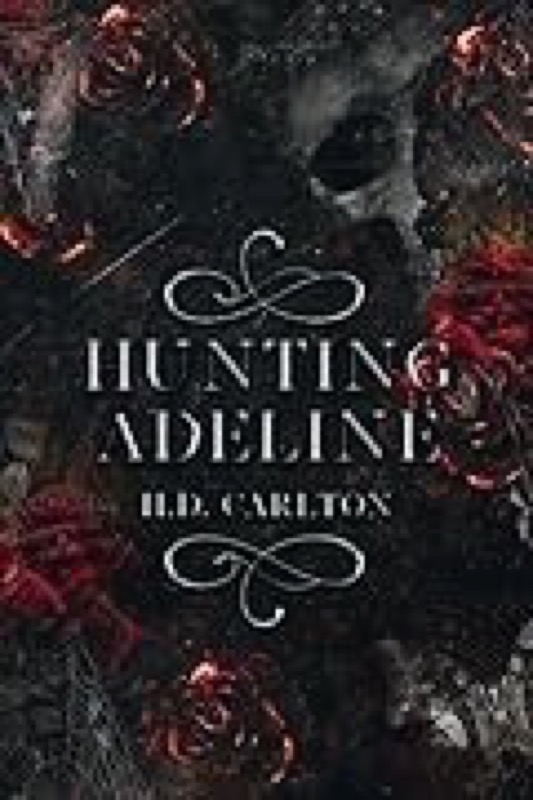
Hunting Adeline
Hook & thesis
In Hunting Adeline, H.D. Carlton deftly intertwines elements of dark romance and psychological thriller, crafting a narrative steeped in obsession and power dynamics. Verdict: This book masterfully explores the thin line between love and madness, forcing readers to confront the seductive pull of desire amidst horror.
The contextual pivot
As a piece of the stalker-obsession subgenre, Hunting Adeline occupies a space that is both familiar and yet provocatively unsettling. Carlton’s narrative echoes the intensity of authors like Tessa Bailey and Anna Zaires, who frequently explore themes of dark romance, yet it carves its niche with a complex portrayal of obsession that transcends mere genre conventions. The invisible audience here is one that revels in the taboo and the morally ambiguous, drawing readers who are willing to traverse the depths of psychological intricacies. Carlton’s work bridges niche tropes to a broader readership, inviting those who typically shy away from such dark themes to ponder the nuances of human connection.
Deep-dive critique
The novel is structured around a dual perspective that allows insight into both the captor and the captive, creating a tension that propels the narrative forward. This choice of point-of-view is instrumental; it humanizes the antagonist while also drawing the reader into the psychological labyrinth of the protagonist. Carlton’s use of pacing is particularly effective; the tension builds methodically, with each chapter revealing layers of character motivation and emotional stakes that keep the reader invested.
However, the prose, while evocative, occasionally leans too heavily into melodrama, which might alienate some readers seeking a more grounded exploration of its themes. The dialogue often serves to heighten the tension and establish character dynamics, yet at times it veers into the realm of cliché, undermining the authenticity that the narrative strives for. Still, the world-building is rich, with vivid descriptions that evoke a gothic atmosphere, drawing parallels to classic literature while maintaining a contemporary edge.
The ending, while satisfying in its resolution of the primary conflict, raises questions regarding moral ambiguity, leaving readers to wrestle with the implications of the characters’ choices. This lack of a clear moral resolution echoes the book’s exploration of obsession and desire, making it a powerful, if uncomfortable, conclusion.
Discussion launchpad
The exploration of obsession in Hunting Adeline is not merely about the thrill of pursuit; it raises significant questions about agency, morality, and the nature of love. The polarities inherent in this narrative—romance versus horror, desire versus danger—set the stage for vibrant discussion.
Questions for the room:
- How does the dual perspective affect your perception of the characters?
- Does Carlton romanticize the themes of obsession and stalking, or does she critique them?
- In what ways does the ending challenge or reinforce the book’s central themes?
- How might this book resonate differently with readers who typically avoid dark romance?
- What role does societal context play in shaping the reader’s interpretation of the characters’ actions?
#TheOrchidRoom #HuntingAdeline #darkromance #stalker #literaryanalysis