
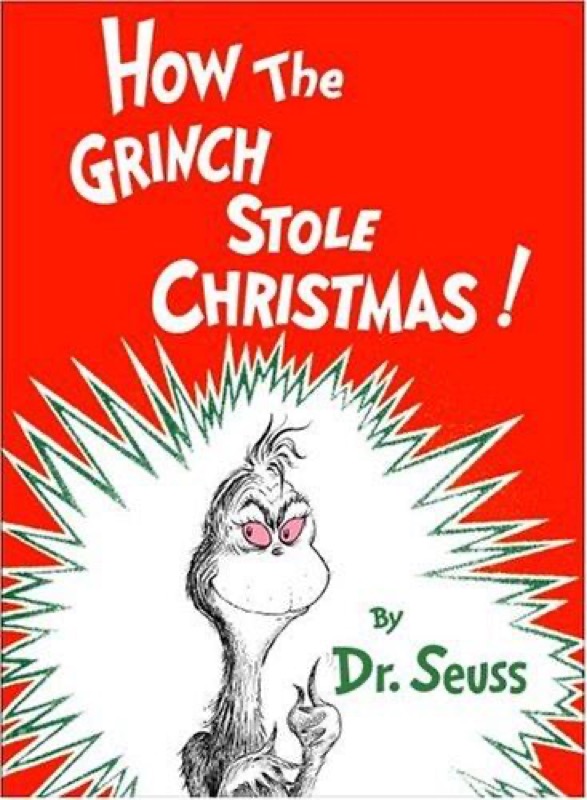
How the Grinch Stole Christmas!
Hook & thesis
Dr. Seuss’s How the Grinch Stole Christmas! deftly unwraps the layers of isolation and redemption wrapped in the trappings of holiday cheer. Verdict: This classic work transcends its whimsical facade to expose the raw underbelly of human connection and the yearning for belonging.
The contextual pivot
Positioned within the realm of children’s literature, the narrative cleverly straddles the lines of gothic and romantic tropes, creating a unique atmosphere rife with tension and moral inquiry. Seuss, primarily known for his playful rhymes and imaginative worlds, here channels darker elements of the human condition—loneliness, resentment, and the transformative power of love. The Grinch, a character embodying the archetypal antihero, mirrors gothic sensibilities found in the works of Edgar Allan Poe and romantic quests for redemption reminiscent of Victorian literature. The invisible audience, primarily children, is engaged while simultaneously inviting adults to reflect on their own experiences of alienation and community.
Deep-dive critique
The narrative structure employs a rhythmic cadence that echoes Seuss’s signature style, luring readers into a deceptively simple world that masks profound themes. The use of third-person omniscient point of view allows for an expansive understanding of the Grinch’s internal struggle, deftly juxtaposing his bitter solitude against the joyous cacophony of Whoville’s Christmas festivities. This clever pacing builds tension, as the reader anticipates the Grinch’s eventual confrontation with the essence of joy and connection. Seuss masterfully crafts dialogue that is both humorous and poignant, as seen in the Grinch’s interactions with his loyal dog, Max, whose silent loyalty serves as an emotional anchor throughout.
However, the ending, while uplifting, may feel somewhat abrupt to those who seek a more nuanced resolution to the Grinch’s transformation. The rapid pivot from villainy to benevolence—though thematically rich—might leave some readers yearning for a more gradual evolution, suggesting a flaw in the pacing that sacrifices depth for a swift conclusion.
Discussion launchpad
The interplay between joy and isolation, as explored through the Grinch’s journey, presents a fertile ground for discussion among readers. Questions for the room:
- How does the Grinch’s character reflect broader themes of societal rejection and acceptance?
- In what ways does Seuss’s playful language contrast with the darker themes of alienation?
- Does the ending genuinely redeem the Grinch, or does it gloss over the complexities of his character?
- How might the story resonate differently with adult readers compared to children?
#TheOrchidRoom #gothic #horrorromance #Christmas #childrenliterature