
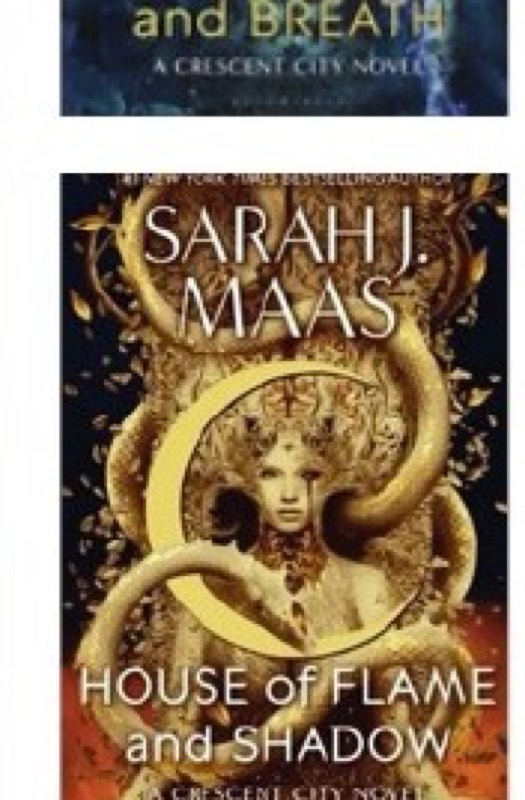
House of Flame and Shadow
A Crescent City Novel
Hook & thesis
In House of Flame and Shadow, Sarah J. Maas plunges readers into a world where love is both a sanctuary and a battlefield, compelling us to question the true cost of desire. Verdict: This novel is a masterclass in entangling passion with peril, revealing that the heart’s deepest yearnings often dance dangerously close to destruction.
The contextual pivot
Nestled within the realm of fantasy-romance, this installment of the Crescent City saga operates at the intersection of urban fantasy and gothic aesthetics, merging the familiar tropes of star-crossed lovers and supernatural intrigue. Maas, known for her ability to weave tension and allure, expands her narrative scope here, appealing to both devoted fans and newcomers. The novel navigates complex emotional landscapes, illustrating a world where grief and longing are as tangible as the magic that permeates it, ultimately bridging niche and mainstream readers alike.
Deep-dive critique
Crafted with rhythmic pacing, House of Flame and Shadow employs a dual narrative perspective that both enriches character depth and propels the plot through interwoven timelines. Maas’s prose sparkles with vivid imagery, often contrasting the beauty of her world with the dark undertones of its struggles. The characters are drawn with a deft hand; their motivations are both relatable and elevated by the fantastical elements surrounding them. For instance, the dialogue crackles with tension, often underlining the unspoken desires and fears that linger just beneath the surface.
However, the novel does stumble occasionally under its own ambition. Certain plot developments veer into predictability, which may disengage discerning readers anticipating a more nuanced unfolding of events. Themes of grief and death are poignantly explored, yet at times feel overshadowed by the romantic entanglements, risking a dilution of the emotional stakes that are so vital to the narrative’s heart.
The climax, while explosive, may leave some readers desiring a deeper resolution to the characters’ arcs. The emotional weight of the final moments is certainly present, yet it often feels like the groundwork laid throughout the novel could have yielded a more satisfying catharsis. Nonetheless, the thematic exploration of love’s duality—its capacity to heal and to harm—remains a powerful undercurrent.
Discussion launchpad
Maas’s blend of romantic and dark elements invites a spectrum of opinions, particularly regarding the balance between fantasy and emotional resonance. The interplay of desire and danger is rich for debate.
Questions for the room:
- Do you think the romantic elements overshadow the narrative’s darker themes?
- How effectively does Maas balance the dual perspectives, and does it enrich or complicate the reader’s connection to the characters?
- In what ways does the ending align with or subvert the reader’s expectations of a fantasy-romance conclusion?
- How does the portrayal of grief enhance or detract from the romantic plot?
- What does this novel suggest about the nature of love as both a force for creation and destruction?
#TheOrchidRoom #fantasyromance #romantasy #darkromance #crescentcity