
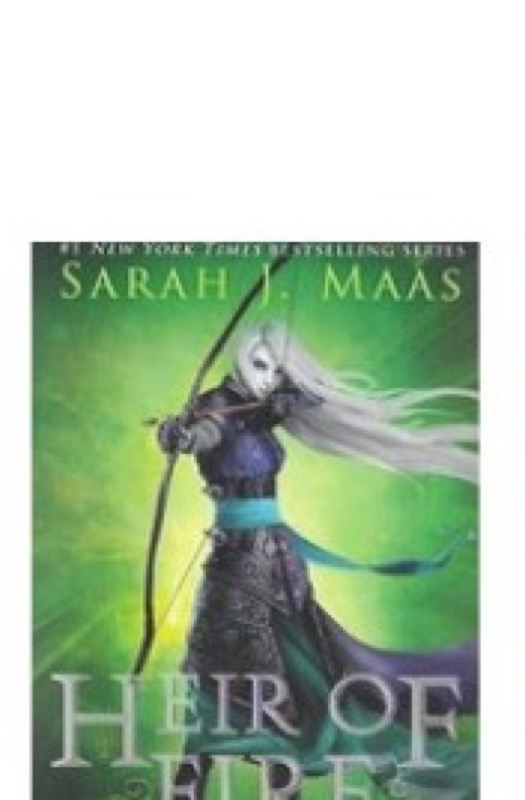
Heir of Fire
A Throne of Glass Novel
Hook & thesis
In Heir of Fire, Sarah J. Maas thrusts us into a world where power and identity are inextricably linked, laying bare the emotional landscapes of trauma and rebirth. Verdict: Maas’s deft navigation through the complexities of grief and vengeance propels this installment into a haunting exploration of self-discovery and the cost of ambition.
The contextual pivot
Heir of Fire stands as a significant entry in the fantasy-romance genre, occupying a space where dark fantasy meets coming-of-age struggles. In this installment of the Throne of Glass series, Maas expands her universe, intertwining the fate of an assassin with that of the fae, thereby bridging the niche of fantasy with broader appeal. The author’s intricate world-building and character arcs resonate with both dedicated fans of high-stakes fantasy and those drawn to rich emotional narratives, creating a duality that enhances its accessibility.
Deep-dive critique
Maas employs a multifaceted structure that shifts perspectives, allowing readers to engage with various characters’ internal conflicts. This choice deepens the thematic richness, particularly as we witness Aelin’s evolution from a fragmented figure to a powerful contender. The pacing fluctuates effectively, juxtaposing moments of intense action with quieter, introspective passages that explore grief and resilience. For example, Aelin’s training sequences not only highlight her physical prowess but also her emotional scars, grounding her power in vulnerability.
However, the dialogue occasionally falters, veering into melodrama that detracts from the authentic emotional stakes. Characters sometimes articulate their feelings in ways that feel too on-the-nose, undermining the subtlety of their experiences. Yet, when Maas focuses on the silences and unspoken bonds between characters, her prose excels, creating tension rooted in what remains unexpressed. The ending is both earned and poignant, as it encapsulates the dichotomy of triumph and sacrifice, leaving the reader with a visceral sense of anticipation for the consequences of Aelin’s choices.
Discussion launchpad
The exploration of identity against a backdrop of immense pressure raises polarizing questions about ambition and the cost of power. Are we drawn to characters who embrace their darker impulses, or do we prefer redemption arcs? The juxtaposition of violence and healing invites debate about the portrayal of trauma in fantasy narratives.
Questions for the room:
- How does Maas balance themes of power with those of vulnerability in her characters?
- Do the emotional stakes resonate authentically, or do they feel exaggerated for dramatic effect?
- In what ways does the book’s structure enhance or impede character development?
- How does the exploration of grief shape your understanding of Aelin’s journey?
#TheOrchidRoom #fantasyromance #darkromance #assassin #literaryanalysis