
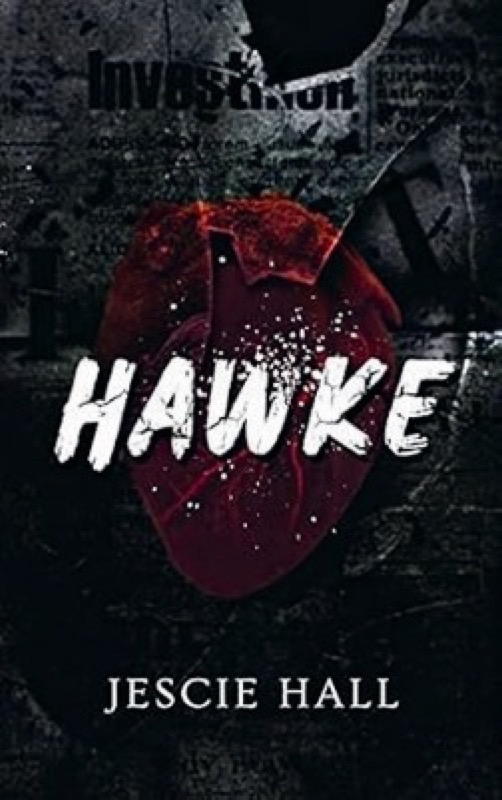
Hawke
Hook & thesis
In Jescie Hall’s unsettling novel Hawke, the author explores the tumultuous landscape of obsession, deftly intertwining themes of power and vulnerability. Verdict: This book captures the grip of desire and madness, compelling readers to confront the shadowy corners of human connection.
The contextual pivot
Hawke navigates the treacherous waters of the stalker-obsession subgenre, a territory that resonates with the likes of Gillian Flynn and Paula Hawkins, yet it carves out a unique niche that blurs the lines between psychological thriller and dark romance. Hall’s work stands alongside contemporaries who dissect the nuances of obsession, but it also reaches for broader themes of identity and autonomy that may appeal to a wider audience. The invisible readers of this tension-filled narrative may find themselves both repulsed and intrigued, as Hall’s portrayal of the obsessive psyche invites contemplation beyond mere thrills.
Deep-dive critique
Structurally, Hawke employs a dual narrative perspective that oscillates between the stalker’s zeal and the victim’s unraveling psyche. This choice amplifies tension, allowing readers to experience the visceral thrill of pursuit while simultaneously grappling with the victim’s terror. However, the pacing occasionally falters, with moments of drawn-out introspection that may detract from the relentless forward momentum expected in a thriller.
Hall’s prose is vivid and often poetic, yet it risks becoming overly ornate in sections, which may alienate those seeking a straightforward narrative. Consider the stark juxtaposition of lyrical descriptions against the harsh realities of violence and psychological torment. This stylistic choice underscores the internal conflict of the characters, crafting a world that feels both alluring and suffocating. Characterization is another stronghold; the protagonist’s complexity elicits sympathy, while the stalker’s motivations are chillingly conveyed, inviting scrutiny of the fine line between love and obsession.
The ending raises questions of resolution and moral ambiguity. While it delivers a climactic confrontation, it leaves readers lingering in an unresolved emotional landscape, a fitting testament to the themes of the narrative. Yet, the lack of clear boundaries between justice and retribution may polarize some readers, as it challenges the notion of conventional closure.
Discussion launchpad
Hawke provokes a fertile ground for debate, particularly regarding the nature of obsession and the ethics of desire. It asks us to consider where fascination crosses into pathology, and whether the allure of danger can ever be justified.
Questions for the room:
- How does Hall’s portrayal of the stalker compare to other representations in the genre?
- Are the protagonist’s choices ultimately empowering or damaging?
- Does the ending provide sufficient closure, or does it undermine the narrative’s tension?
- In what ways does the book challenge societal perceptions of love and obsession?
- What aspects of Hall’s prose enhance or detract from the story’s impact?
#TheOrchidRoom #Hawke #stalker #obsession #darkromance