
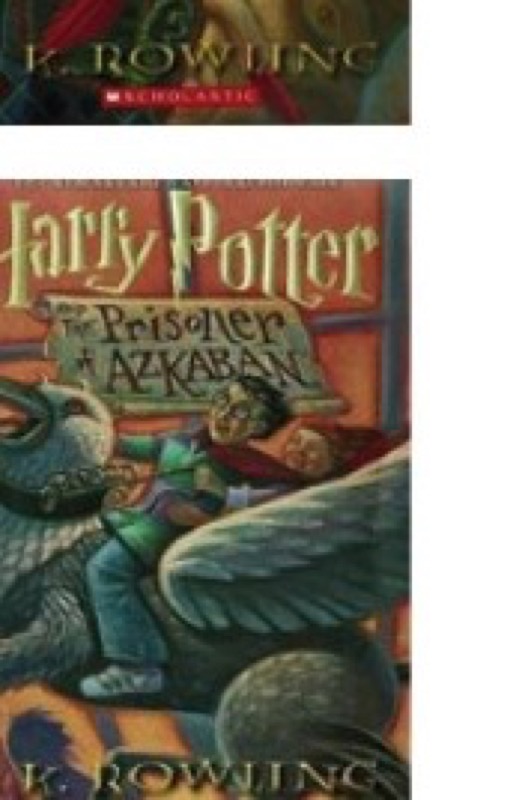
Harry Potter and the Prisoner of Azkaban
Hook & thesis
In J.K. Rowling’s Harry Potter and the Prisoner of Azkaban, the author aims to explore themes of fear, friendship, and identity through the lens of magical realism. Verdict: This installment not only deepens the series’ character development but also serves as a pivotal point in the narrative, brilliantly intertwining personal growth with an overarching confrontation of past traumas.
The contextual pivot
Prisoner of Azkaban is the third book in the Harry Potter series, firmly rooted in the juvenile fiction genre while also appealing to a broader audience through its exploration of complex themes. Unlike the earlier books, which primarily focused on the wonder of the wizarding world, this volume delves deeper into darker themes, showcasing how Rowling bridges the gap between childhood innocence and the harsh realities of growing up. This book stands alongside works by authors like C.S. Lewis and Roald Dahl, who also blend fantasy with profound moral lessons, appealing to both children and adults alike.
Deep-dive critique
Rowling’s narrative structure in Prisoner of Azkaban employs a tight third-person point of view that allows intimate access to Harry’s thoughts while creating suspense around the plot’s unfolding mysteries. The pacing skillfully balances the whimsical and the sinister, particularly as the story introduces the Dementors, which symbolize depression and fear. Character development shines in Harry’s interactions with Sirius Black and Remus Lupin, where dialogue conveys deep emotional stakes and backstory without feeling forced. However, some mechanical flaws exist; the resolution of certain plot threads, especially concerning time travel, may leave readers questioning the internal logic of the wizarding world. The ending is earned through emotional resonance, resolving key character arcs while leaving room for future conflict.
Discussion launchpad
The themes of trauma and identity in Prisoner of Azkaban may polarize opinions, particularly regarding how effectively the book portrays mental health issues through its fantastical elements.
Questions for the room:
- How do the Dementors function as a metaphor for mental health struggles?
- Does the time travel plot device enhance or detract from the story’s emotional weight?
- In what ways does the portrayal of friendship evolve in this book compared to earlier entries?
- How does Harry’s growth in this volume set the tone for future challenges he faces?
#LitClass #Grade11 #RequiredReading #harry #potter #literaryanalysis #juvenile