
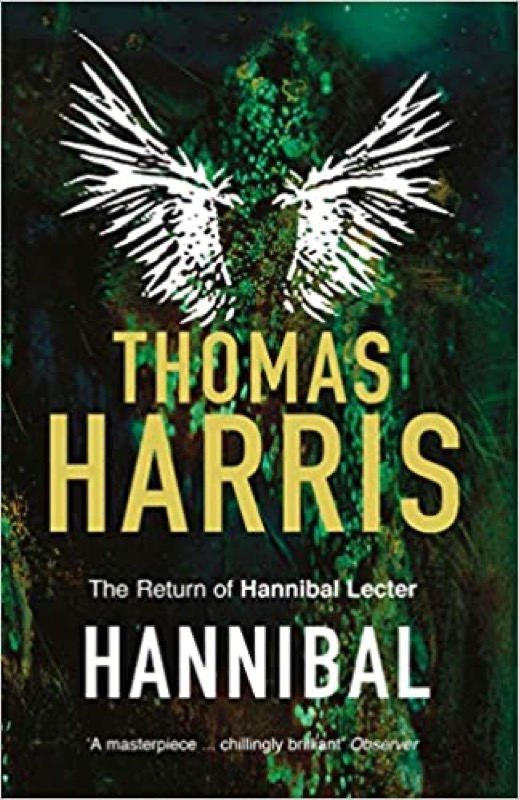
Hannibal (Hannibal Lecter, #3)
Hannibal Lecter series
Hook & thesis
In Hannibal, Thomas Harris invites readers into a grotesque ballet of obsession, where the line between predator and prey is razor-thin. Verdict: This novel transcends typical genre boundaries, offering a chilling exploration of love twisted by madness and moral decay.
The contextual pivot
As the third installment in the Hannibal Lecter series, this dark-thriller positions itself alongside the psychological horror of Stephen King and the visceral tension of Patricia Highsmith. Harris’s work is a disturbing meditation on the nature of evil, targeting a niche audience that craves the intricacies of the human psyche while also appealing to general readers through its intricate character dynamics and psychological depth. The invisible audience is drawn to the dark corners of humanity and the seduction of the monstrous, making this novel a vital bridge between horror and literary fiction.
Deep-dive critique
Harris’s Hannibal is a masterclass in tension, using a non-linear timeline to craft a narrative that is as disorienting as it is engaging. The alternating perspectives, particularly that of Clarice Starling, provide a dual lens into vulnerability and unyielding resolve, though they occasionally falter in pacing, dragging in sections where the suspense should be mounting. The prose is as rich as it is grotesque, with vivid imagery that taps into the grotesque beauty of its characters and settings, making the reader both repulsed and captivated. However, the dialogue at times slips into melodrama, overshadowing the otherwise chilling realism that defines Harris’s world-building. The themes of obsession and power dynamics culminate in an ending that is simultaneously earned and unsettling, leaving readers grappling with moral ambiguity and the allure of darkness.
Discussion launchpad
Harris’s portrayal of love entwined with violence raises significant questions about morality and the nature of desire. The exploration of Hannibal Lecter as an anti-hero invites debate on whether he evokes sympathy or repulsion.
Questions for the room:
- Does Hannibal effectively humanize its characters, or does it rely too heavily on their grotesque traits?
- How does the novel’s structure enhance or detract from the overall impact of the story?
- Can readers find any redeeming qualities in Hannibal Lecter, or is he purely a monster?
- What role does the graphic violence play in shaping the narrative’s themes?
- How do the mature themes influence your interpretation of the characters’ motivations?
#LiteraryAnalysis #GothicEdge
#darkthriller #psychologicalthriller #HannibalLecter #TheOrchidRoom #darkheartlabs