
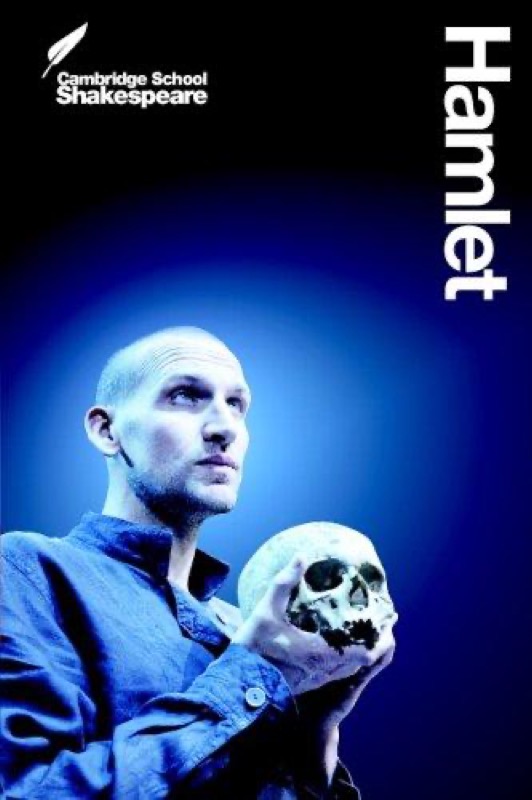
Hamlet
A tale of revenge and madness set in the shadowy halls of Elsinore.
Hook & thesis
In William Shakespeare’s Hamlet, the intricate web of revenge and madness spins a dark tale that challenges the very essence of human existence. Verdict: This tragedy is a haunting exploration of the human psyche, revealing that the true horror lies not in the supernatural, but in our own moral paralysis.
The contextual pivot
Hamlet sprawls across the classic literature genre as a cornerstone of tragedy, intertwining themes of betrayal, familial duty, and the spectral presence of death. Shakespeare invites readers into the brooding atmosphere of Elsinore, a setting steeped in intrigue and moral complexity, echoing the works of contemporaries like Marlowe and later Gothic writers who explore the darker recesses of human emotion. The invisible audience is composed of both the Elizabethan elite and modern readers, as its exploration of madness and existential dread bridges the gap between niche tragedy aficionados and more general literary enthusiasts.
Deep-dive critique
The structure of Hamlet masterfully orchestrates tension through its pacing and shifting perspectives. Shakespeare employs soliloquies to delve deep into Hamlet’s tortured mind, allowing the audience to grapple with his philosophical quandaries and moral dilemmas. The famous “To be or not to be” soliloquy encapsulates this internal struggle, laying bare the conflict between action and inaction — a theme that resonates through the ages. However, the play’s pacing falters in the latter acts, with drawn-out sequences that risk diluting the urgency of Hamlet’s quest for vengeance.
Characterization excels, particularly in the tragic figure of Ophelia, whose descent into madness poignantly portrays the collateral damage of familial and romantic betrayal. Her death serves as a chilling reminder of the play’s dark undercurrents. The dialogue sparkles with wit, yet it is tinged with a palpable sense of foreboding, especially in exchanges between Hamlet and the Ghost, which amplify the play’s Gothic edge. The ending, however, while climactic, raises questions about the moral implications of revenge and whether justice is ever truly served, leaving the audience in a state of uneasy reflection.
Discussion launchpad
Hamlet is rife with polarizing themes that can ignite fierce debate among readers. The moral ambiguity of Hamlet’s actions versus the rightful pursuit of vengeance is a compelling focal point, as is the portrayal of madness — both feigned and real.
Questions for the room:
- Is Hamlet’s delay a reflection of philosophical introspection or sheer cowardice?
- How does the role of women in the play shape its tragic outcomes?
- Can we view the Ghost as a mere plot device or as a profound commentary on guilt and memory?
- Does the play offer a resolution to the chaos it presents, or does it leave us in a moral abyss?
#LiteraryAnalysis #GothicEdge
#TheOrchidRoom #tragedy #revenge #madness #classic