
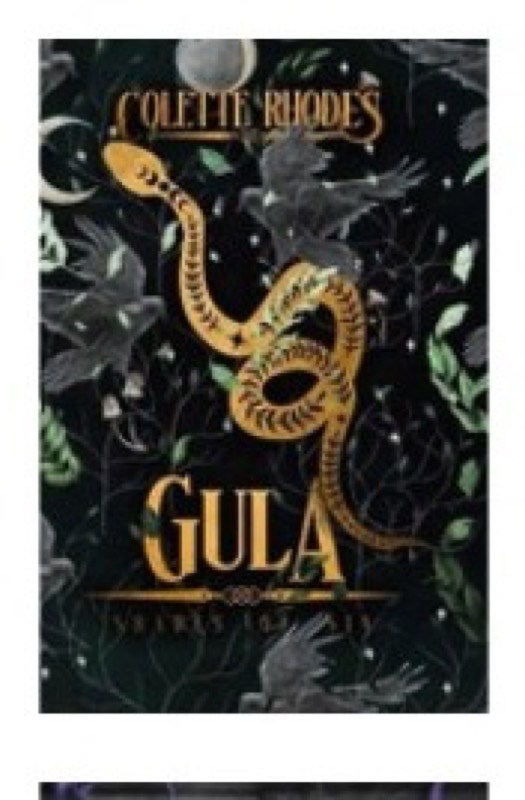
Gula
Shades of Sin
Hook & thesis
In Colette Rhodes’ Gula, the author weaves a tapestry of desire and decay, exploring the haunting interplay between gluttony and love. Verdict: This book is a visceral plunge into the depths of human yearning, where the carnal and the catastrophic entwine in a dance of exquisite peril.
The contextual pivot
Set firmly within the fantasy-romance genre, Gula straddles the line between dark fantasy and gothic romance, echoing the literary shadows cast by authors such as Anne Rice and Sarah J. Maas. While maintaining a niche appeal with its intense exploration of sin and desire, it boldly invites a broader audience who are drawn to tales of forbidden passions and moral complexities. Rhodes’ work delves deeply into the darker aspects of human nature, presenting a world where the boundaries of love and obsession blur, challenging readers to grapple with their own desires hidden beneath the surface.
Deep-dive critique
Rhodes’ narrative structure is both fluid and fragmented, mirroring the chaotic emotions of its characters. The pacing oscillates between languorous revelry and sharp, jarring moments of conflict, which serves to heighten the tension inherent in the narrative. The alternating points of view allow readers to intimately experience the duality of love and gluttony, though at times this technique can lead to dissonance—certain character arcs feel rushed, and the emotional payoff is occasionally undercut by abrupt shifts in perspective.
The prose is lush and evocative, painting vivid imagery that captures both the beauty and grotesquery of indulgence. However, while the descriptive language serves to immerse the reader in a sensuous world, it risks overshadowing the plot’s momentum, particularly in moments that demand urgency. Dialogue often crackles with subtext, revealing deep-seated desires and fears, yet some interactions may feel overly stylized, detracting from genuine emotional connection.
Thematically, Gula triumphs in its exploration of excess and consequence, but the ending leaves much to be desired. The resolution feels somewhat unearned, as if the intricate threads woven throughout the narrative unravel too quickly, denying the reader the catharsis they crave. This lack of closure can leave lingering questions about the true cost of desire—an aspect that could spark both fascination and frustration.
Discussion launchpad
Gula is rife with polarities that could ignite heated debate among readers:
- The distinction between love and obsession: where does one end and the other begin?
- The portrayal of gluttony: does it romanticize excess or serve as a cautionary tale?
- The emotional resonance of the ending: is it a bold artistic choice or a narrative failure?
Questions for the room:
- What role does the duality of gluttony play in shaping the characters’ motivations?
- In what ways does the book challenge conventional notions of romance?
- Can the excessive descriptions enhance or detract from the reader’s experience?
- How does the use of multiple perspectives impact your empathy toward characters?
#TheOrchidRoom #fantasyromance #darkromance #gluttony #literaryanalysis