
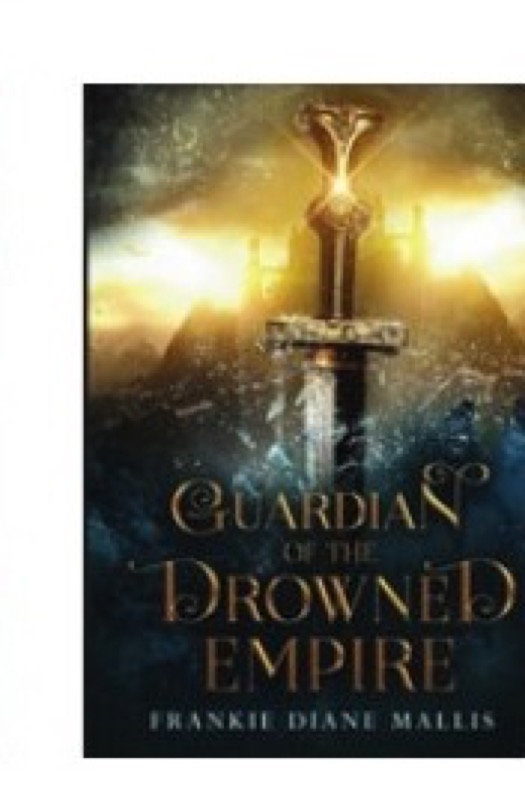
Guardian of the Drowned Empire
Hook & thesis
In “Guardian of the Drowned Empire,” Frankie Diane Mallis crafts a haunting tapestry of love and loss set against the backdrop of an empire on the brink of collapse. The author’s primary objective is to explore the intricate dance between duty and desire, as characters navigate treacherous waters both literal and metaphorical. Verdict: This book is a rich, intoxicating experience that invites readers to question what it means to be both a guardian and a lover in a world where loyalty is as fluid as the waters that drown their empire.
The contextual pivot
Positioned firmly within the realm of fantasy-romance, Mallis’s novel builds upon the genre’s tradition of intertwining political intrigue with romantic entanglements. The narrative resonates with echoes of authors like Sarah J. Maas and V.E. Schwab, who similarly weave complex worlds where magic and love collide. While the book is certainly tailored for fans of romantasy, its layered themes of sacrifice and ambition expand its appeal to those who typically shy away from genre conventions. The invisible audience seems to encompass both die-hard fantasy enthusiasts and casual readers willing to immerse themselves in a world where the stakes of romance are all too real.
Deep-dive critique
Mallis’s structure is compelling, employing a dual narrative perspective that allows readers to experience the emotional turmoil of both protagonists intimately. The pacing, while occasionally languid, mirrors the protagonist’s own hesitations, creating a sense of urgency that propels the reader forward. However, the timeline could benefit from sharper transitions; certain moments of tension feel prolonged, diluting their impact. The prose is lush and evocative, with descriptions that transport the reader to the drowned landscapes, yet at times it leans into melodrama, risking sentimentality over sincerity.
Characterization is a highlight, particularly in how deeply flawed yet relatable the characters are. The dialogue sparkles with wit and tension, revealing the underlying currents of desire that drive the characters’ actions. However, some secondary characters lack development, serving more as plot devices than fully realized individuals, which can detract from the overall richness of the world-building. The ending, while cathartic, raises questions about the future of the empire and its inhabitants, leaving readers both satisfied and yearning for resolution.
Discussion launchpad
The novel’s exploration of love amid chaos presents polarities ripe for discussion; do the characters’ sacrifices enhance or undermine their arcs? The tension between duty to the empire and personal desire may lead to conflicting interpretations of loyalty and betrayal.
Questions for the room:
- How does the dual narrative perspective enhance or hinder emotional engagement?
- In what ways does the setting of the drowned empire serve as a metaphor for the characters’ internal struggles?
- Does Mallis successfully balance the thematic elements of romance and political intrigue, or does one overshadow the other?
- How might the portrayal of secondary characters influence the reader’s investment in the main storyline?
- What unresolved questions linger after the conclusion, and how do they affect your overall impression of the story?
#TheOrchidRoom #fantasyromance #romantasy #darkromance #guardian